
The empty chair at eleven is the whole algorithm
Idle minutes cost a wage whether the dashboard is beautiful or not. Yield can price a shoulder hour and run a waitlist. The regular's Tuesday stays on the regular's rate.
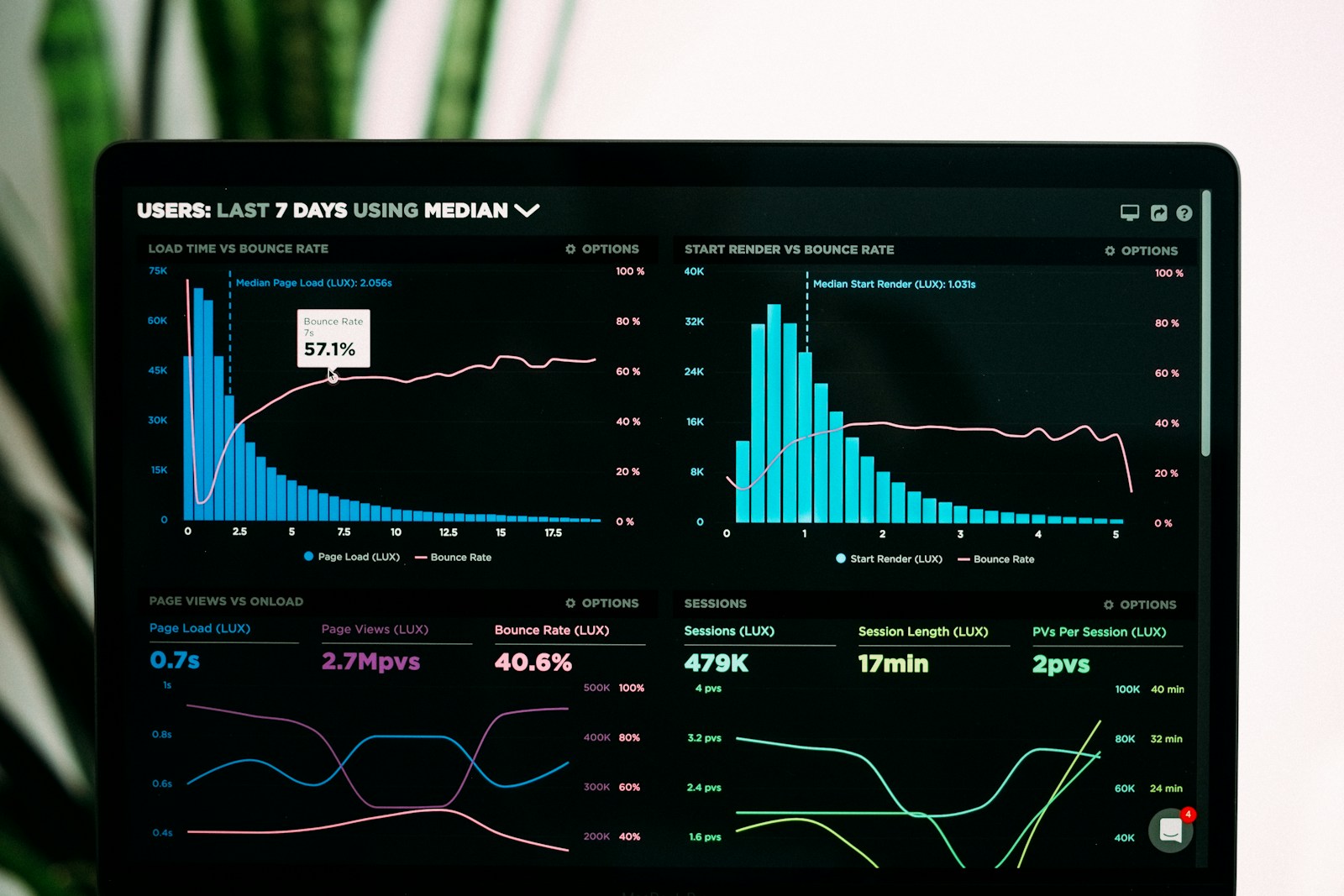
A diary with a gap. Utilisation is booked minutes over minutes on offer, read before the dashboard gets a name. Image credit: Unsplash. Unsplash commercial licence.
In salon industry buying the promise is usually utilisation, and what is on screen is a dashboard with a gradient. The figure that carries an owner-run clinic is plainer and more expensive. Idle time: minutes in which the room and the wage are open and no revenue lands. You can feel it at 11:00 on a Tuesday, in a cabin that still smells of the product from yesterday and has nobody in the chair. Yield logic fills those minutes through the price of shoulder hours and through a waitlist when someone cancels. It leaves the regular who has held the same Tuesday for two years on the rate she already knows. A model that mixes the two optimises a curve and loses the diary that actually supports the business. Software can estimate no-shows from history. It cannot see a one-sided swollen leg, and it does not belong in the treatment note. Utilisation stays a division: booked treatment minutes divided by staffed minutes on offer. The division is dull. The wage is not.
Idle time as the line that never gets its own invoice
An empty hour costs the room’s share of rent, the wage of the person who is there anyway, and the contribution that hour would have carried in a full week. The third item never appears as its own line in the accounts. It sits in the gap between a Tuesday morning and a Saturday that is already too full to be a lesson. Looking only at revenue from booked appointments makes a quiet morning look cheap. Fixed costs remain. Contribution does not arrive. Cheap, in this light, is the colour of an empty room.
One hundred percent utilisation is a fantasy with overtime attached. Services overrun. A week that is full on paper ends in a last client who waits, or in a practitioner who stays late and calls it dedication. Many clinics plan inside a band of about 75 to 85 percent, depending on how widely durations scatter. A short brow menu can sit denser than a chemical service with an open end. The figure is pulled per room and per weekday. One house number that nets Saturday against Monday hides the morning you are trying to fill.
Idle time that keeps returning has a cause the model finds only if the data are clean. Durations in the system that are too short. Buffers nobody books. Staff who leave before the diary does. A price ladder that makes shoulder hours both unattractive and unsellable, a double insult. The first question for any software In trade buying is therefore simple enough to ask while holding a coffee. Does it show unused minutes per chair, or only yesterday’s revenue in a typeface that looks like a bank?
Yield that leaves the regular’s Tuesday alone
Yield takes from hotels the idea that the same hour is worth a different amount at a different time. In a clinic that works only with a rule that is published, in a sentence a client can read before she pays. Shoulder hours that would otherwise stay empty get a fixed reduction, or an add-on that fills the hour, such as a shorter service at an honest price. The regular who holds her slot stays on her rate. Re-rolling her price each week trains her to wait until the algorithm blinks, which is how you teach your best client to become a bargain hunter. That does not fill a gap. It pushes the booking later, into the part of the week you did not need help with.
The waitlist is the second lever, and it is less mystical than the word dynamic. A cancellation inside a defined window, often 24 hours, sends an offer to people who want that service and that duration. The first acceptance takes the chair. The chair is not silently double-booked, because a double booking is how a yield model manufactures a complaint. A no-show fee sits in the terms before checkout, not in an email the next day that sounds like a scolding. The amount follows the slot that was lost. A taste for penalties is a different business, and a worse one.
Idle time is the hour that eats a wage and books nothing. Yield fills the gap. The regular’s price stays where she left it.
What the model is allowed to see, and the note it never opens
A forecast of cancellations may see weekday, lead time, service and the cancellation history of bookings. It stays out of the treatment note. A line about isotretinoin, a pregnancy or a skin disease is health data. A price model has no use for it, and no right to it. The data-protection logic is purpose limitation, which sounds bureaucratic until you imagine the note in a training set. The purpose is the diary. A profile of the skin is a different purpose, with a different consent, and the two do not merge because a vendor used one login.
Software at industry practice should split its feature list into two columns before the demo music starts. Column one, operational: free minutes, overrun statistics, waitlist, price rule by time window. Column two, closed: treatment free text, photographs, anything clinical, anything a consent for care does not turn into a consent for pricing. A vendor that trains both in one pool does not have a booking system. They have a subject-access problem with a utilisation chart on top.
Rules stay readable, which is a design requirement and a manners requirement. The client sees, before paying, why this slot has this price. A dynamic price with no sentence on the menu is a surprise surcharge. Surprise produces cancellations. Cancellations are the idle time the model was built to reduce. The loop is almost funny, until it is the Tuesday you already cannot fill.
Figures the desk can read before the first client
The front desk does not need a model architecture. It needs a few numbers in the morning and one rule for the empty chair in the afternoon. Utilisation per room and weekday: booked minutes over minutes on offer. Idle time in minutes, not as a feeling described in the staff chat. Cancellation and no-show rate inside the agreed window. The share of gaps the waitlist fills within an hour. The regular rate unchanged, with any discount confined to shoulder hours that were inventoried as shoulder hours. Treatment notes kept outside the price model, in the place notes belong.
At the next industry practice the useful question is the empty chair at 11:00 on Tuesday, not the word intelligence in the product name. A system that shows that hour, sends a waitlist offer and leaves the regular’s Tuesday alone is a booking tool. One that lets every price breathe, and trains on the note, opens a gap somewhere else: with the people who do not come back, because their hour was repriced and their history was read by a machine that was hired to fill a chair.