Below ten degrees, the blood answers before the mood does
Cold water raises norepinephrine and can ease next-day soreness. Regular immersion straight after strength work can blunt the adaptation the session was built to start.
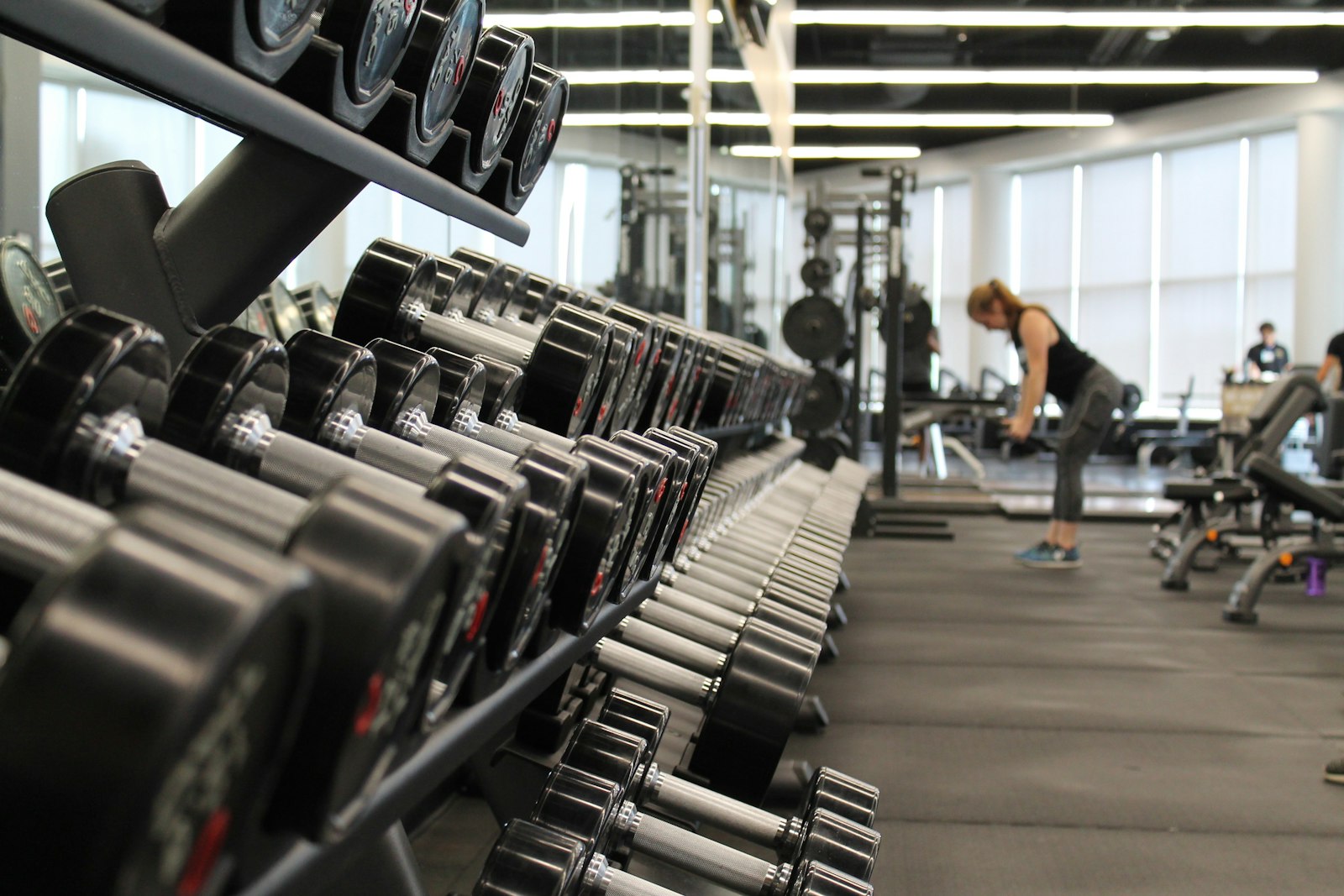
A cold tank after the bar. Norepinephrine rises. Hypertrophy may not. Image credit: Unsplash. Unsplash commercial licence.
Water below 10 degrees is a cardiovascular stimulus before it is a recovery photograph. In the first seconds, respiratory drive, heart rate and peripheral resistance rise. Norepinephrine in the blood goes up. That is the robust finding in cold-water studies, the one that survives a closer reading. Whether this lowers systemic inflammation in the sense of a disease marker is much less well shown. Strength training adds a third layer, and it is the awkward one: stepping into the tank straight after the set can damp the adaptation the bar just started. The alert feeling is real. The muscle you came to build has a separate account.
Cold shock, and the marker that actually moves
Below about 15 degrees the cold-water response is clear. Below 10 degrees it is sharper. An involuntary gasp, hyperventilation, a rise in blood pressure, strong constriction of skin vessels. Putting the head under, or entering a tank alone, is a safety problem no playlist can tidy up. Entry is controlled, time is short, the exit is clear, a second person is in reach until the swimmer actually handles the tank. Bravery that skips the second person is a different sport.
Norepinephrine rises clearly in cold water. Dopamine stories taken from a long stay in milder water belong to that other protocol. Name a hormone with the duration and the temperature of the study, not a hormone from a talk beside the tank. Three minutes below 10 degrees are a specific dose. A long float in water that is merely unpleasant is another dose, with another claim, and the two should stop sharing a caption.
Inflammation markers are mixed. Delayed-onset muscle soreness, DOMS, is reported lower in many papers when cold immersion follows the load. Creatine kinase and interleukin-6 do not fall in every study. IL-6 after strength or endurance work is a myokine, a signal from working muscle. A chronically raised CRP in disease is a different picture, in a different person, with a different reason for being in the water. Pressing acute IL-6 and celebrating it as less inflammation mixes a training signal with a disease picture. Less signal can mean less adaptation. That is the direction the hypertrophy data point, and it is the part the caption usually crops.
The conflict with the muscle you meant to keep
Roberts and colleagues, in the Journal of Physiology in 2015, described cold-water immersion after resistance training damping acute anabolic signalling, with smaller gains in strength and mass over weeks than without that immersion. Later reviews point the same way when the cold is regular and comes soon after the strength stimulus. The suspected routes are practical: less blood flow, less delivery of substrates, damped protein-synthesis signalling, an interference with the inflammatory cleanup that belongs to remodelling. The tank is doing something. Part of what it does competes with the bar.
This is a conflict-of-goals rule, said before anyone calls it a ban. A block aimed at fibre cross-section and maximal strength keeps immersion out of the first minutes after the session. Hours later, on a conditioning day, after a match where the next load arrives before a perfect adaptation: there the account can flip, because readiness the next day matters more than the last percentage point of hypertrophy across twelve weeks. Tournament weekends have their own morality. Hypertrophy blocks have another.
Endurance loads often sit more comfortably with cold in practice, because the goal is heat removal, the next session and subjective freshness. Even there the tank is optional. Sleep and the next meal move more when the tank becomes a stressor someone merely endures, jaw tight, for the photograph. Endurance athletes already have enough stress. Adding a gasp needs a reason written down.
Below 10 degrees is a cardiovascular stimulus with a documented norepinephrine rise. Straight after strength training it can also damp the adaptation the session was meant to produce.
What should stay out of the word systemic
A cold tank lowers muscle temperature locally and changes blood flow. A drop in a single marker in one study is a finding in that study. It is a poor therapy claim for systemic inflammation, for an autoimmune disease or for an infection. People with those diagnoses stay out of a self-experiment tank because an article mentioned cytokines. The exclusions are practical and a little unglamorous: unstable cardiovascular disease without clearance, uncontrolled high blood pressure, Raynaud, cold urticaria, fever, alcohol, swimming alone. Any one of them closes the booking. The group chat does not reopen it.
After exit, core temperature often falls a little further, the afterdrop, as cold blood from the periphery redistributes. Wet clothes, wind and a long walk to the car extend it. The protocol ends with drying, a warm layer, sitting. The next set on the bench can wait until the hands work. Time and temperature are written down. Three minutes at 8 degrees are a different dose from twelve minutes at 14 degrees. More is not more serious here. The dose that shifts DOMS in studies is often a short immersion in the cold range. Anyone shivering, unable to control the hands, or light-headed is past the dose, whatever the timer says in its cheerful font.
Where the tank sits in the week
For a hypertrophy block the order is dull and effective: strength work, then food, then the ordinary day. Cold, if it appears at all, comes with a gap, or on days without a heavy mechanical session. For a tournament weekend the tank can settle the legs the same evening for the next match, with the knowledge that long-term adaptation of that one week is not the goal. Say that out loud so the week is not later blamed for a missing centimetre of thigh.
For the studio the kit is small. Four screening questions, a temperature display that is accurate, a timer, no culture of head-under-water, no group pressure. Declining the tank is a different cost-benefit account, and the data agree once strength gain is the goal. Discipline that ignores the goal is just cold. Norepinephrine explains the alert feeling after the tank better than a vague detox line. That feeling is a stimulant. Late in the evening it can cost the sleep recovery needs, which is a poor trade if sleep was the point of caring about recovery at all. Clock time belongs in the protocol, beside water temperature. The next facility tour will still film the gasp. The plan that leaves the tank off the hour after squats already knows which adaptation it came to protect.