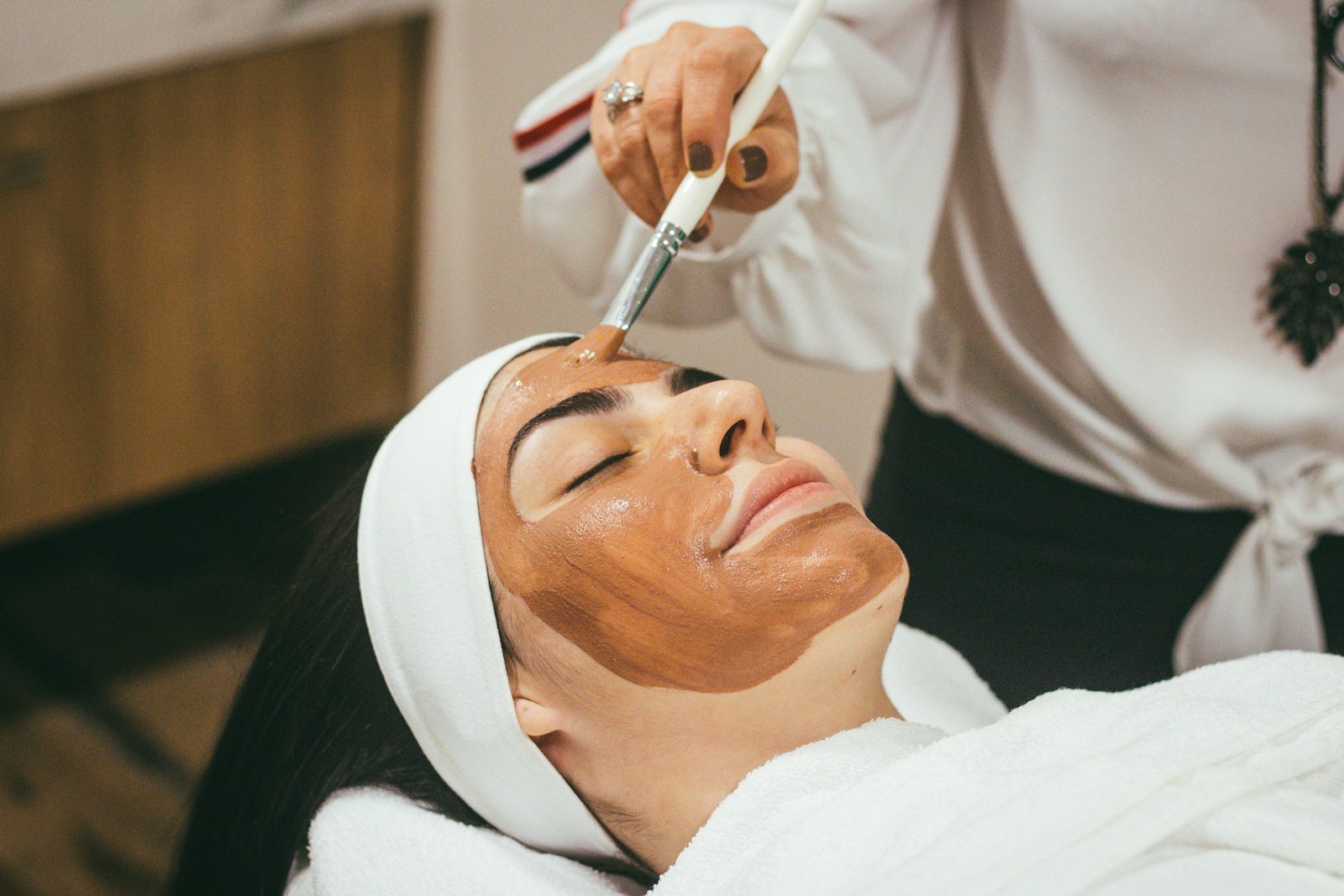
Scent reaches the amygdala early. The allergen file arrives later.
Smell can mark a cabin and slow a breath. Massage oils still need an IFRA category, and a fragrance-free alternative has to exist when someone asks.

A diffuser can set the room. The oil on skin still owes a category and a batch. Image credit: Unsplash. Unsplash commercial licence.
Aromachology studies how smell shifts behaviour, expectation and physiological markers. It is a research habit, close to psychology and close to the room. Aromatherapy, in the sense of treating disease with essential oils, is a different claim and a different profession. A scent can make a cabin recognisable, subjectively slow the breath, open a memory of a hotel corridor in late summer. It is not a dermal active. The moment it touches skin, or shares the air with staff for hours, it is allergen management with a nicer vocabulary. At industry practice the diffusers run before anyone asks which IFRA category the oil on the bench was cleared for. That question is the whole article, and it smells less expensive than the blotter.
The path into the amygdala is anatomically short
Olfactory sensory neurons in the olfactory mucosa bind odorant molecules and send signals to the olfactory bulb. From there, tracts run to piriform cortex, amygdala and entorhinal structures, without the thalamus as the first station in the way vision and hearing use it. That anatomy explains why smell and memory sit close, why a hallway can return a whole year. It does not assign a given oil to a given emotion on command. The assignment is learned, cultural, and often primed by what the brand has already promised on the booking page.
Detection of an odour sits in the range of a few hundred milliseconds. That is fast beside a sentence someone has to finish. Hands, room temperature and the first sentence at the door act with it. Changing only the oil, and leaving the rest, measures a new smell inside an old sequence. Call that a new smell. Aromachology asks for a design that can tell the oil from the pause.
Individual substances have a small, mixed study record on tension and sleep, often lavender with linalool and linalyl acetate, often inhalation, often small samples. Transfer that to a massage oil with ten further components and the exposure is different: skin, air, duration, individual allergy. The inhalation literature carries an inhalation result. A skin claim needs its own file, its own dilution, its own category.
Measuring a smell you cannot hide
A double-blind trial with odour is close to a contradiction, because the subject smells what is being tested. Expectation can be weakened by disguising the purpose, by setting several scents against each other, or by running a low-odour control. The stimulus stays in the room. Results on mood scales are read with that reservation attached, the way you read a love letter that arrived with the perfume already on the paper.
Usable markers beside the scale are heart-rate variability, skin conductance and, in a heavier setup, EEG bands. They also respond to attention, to sitting, to the experimenter in the doorway. A rise in subjective calm with unchanged physiology is an honest result: the person likes the scent. A limbic therapeutic effect is a larger claim than the hour can hold. A clinic without these instruments invents no numbers. It can standardise. The same scent, the same dilution, the same minute in the sequence, a question about intolerance beforehand, a note afterward for headache, cough or skin redness.
Expectation is the largest confounder. If the website promises deep sleep and a cortisol drop, a share of clients will report exactly that. Salivary cortisol after a single hour is strongly situation-dependent and will not serve as cabin evidence for an oil change. A marker that is absent from the design stays out of the sale. The room can still be beautiful. Beauty is allowed to be beauty.
A scent may mark a treatment. Disease claims stay off the bottle, and the IFRA category of anything that remains on the skin stays on the certificate.
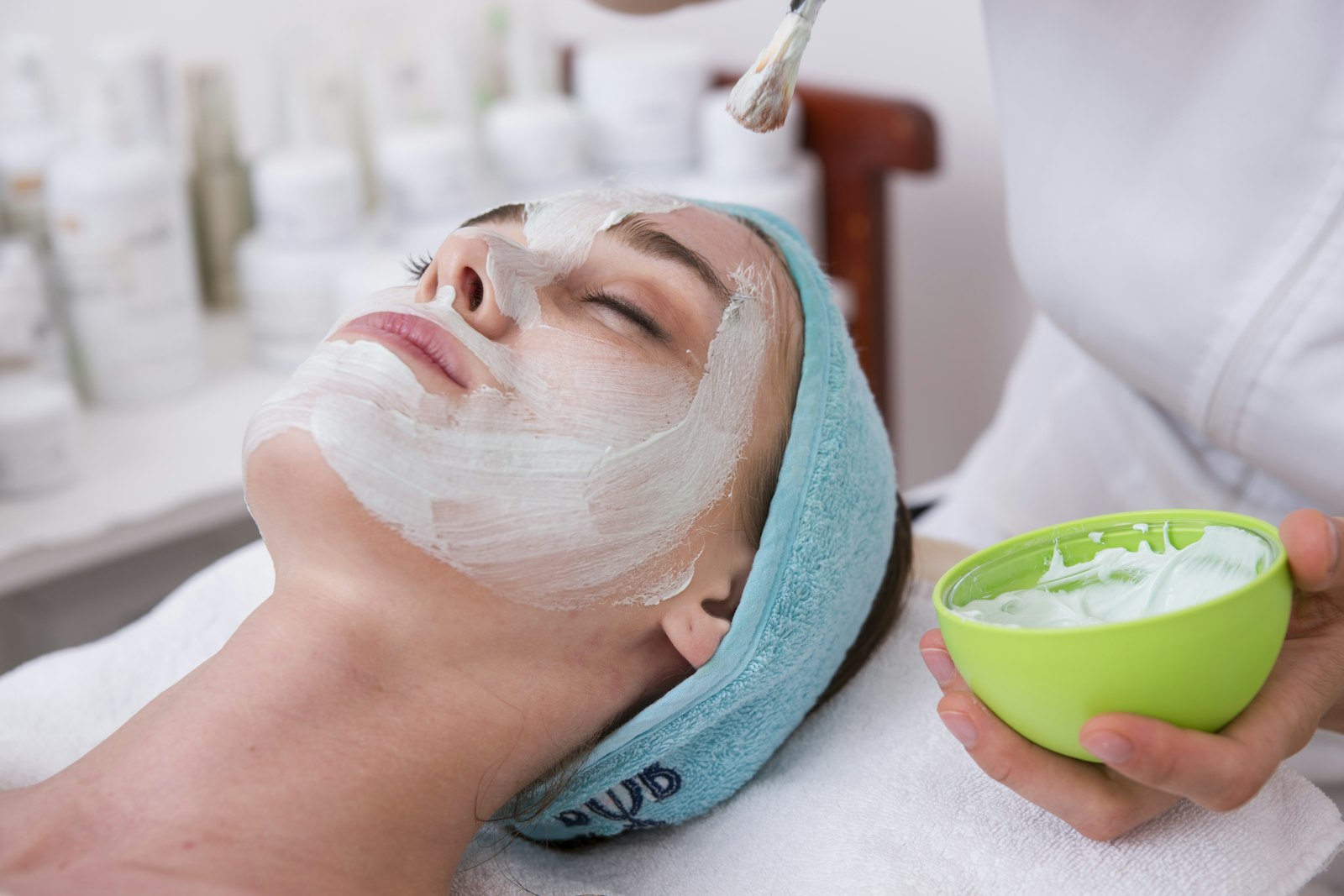
IFRA, Annex III, and the bottle that lives in the cupboard
Massage oils, face serums and finishing creams are cosmetics. They fall under the fragrance allergens of Regulation (EC) No 1223/2009 as extended by Regulation (EU) 2023/1545, and under the IFRA maxima of the matching category. Leave-on is tighter than rinse-off. An oil the supplier cleared for a diffuser is not thereby cleared for a body oil. The category is on the certificate. If it is missing, the clearance is missing, however calm the sales note sounds.
HICC and Lilial stay out of new formulas. Oxidised limonene and oxidised linalool sensitise more strongly than the terpenes as freshly filled. A large bottle that stands half empty for months on a warm shelf is a different product from the sample on the morning of delivery. Small packs, protection from light, a date after opening. The romance of a big apothecary bottle is an oxidation plan with a cork.
Room scents are often outside cosmetics, as long as they are not intended for skin contact. They remain an exposure for staff and for clients with asthma, migraine or a known fragrance allergy. The honest cabin rule is the ability to work fragrance-free on request. A second playlist is interior design. A signature scent that cannot be switched off sorts out part of the clientele and loads the team on every working day. Stands at industry practice that sell one oil for diffuser, massage and a retail serum are selling three categories under one blotter. Ask which certificate covers the oil that stays on the back.
Essential oils in pregnancy collect long ban lists on forums that rarely match the toxicological dose. The clinic holds the cosmetic use concentration, avoids high-dose free oils on a large area, and refers concrete illness to the treating practice. Folklore lists do not replace an IFRA category. They replace a conversation with a screenshot, which is a poor substitute for a batch number.
A protocol with the atmosphere written down
A usable scent protocol fits on one page. Name of the oil or the accord, supplier, batch, dilution in the carrier, IFRA category, allergen lines above the threshold, the minute in the sequence, the alternative without scent. The client is asked. A person who reports a reaction gets the date, the product and the batch on the card. The product is not reapplied in the same session to see whether it happens again. Curiosity is how a note becomes a second exposure.
Carrier oils are not neutral in sensory terms and not neutral in the allergen analysis. A plant oil can bring its own odorants and oxidation products. Fragrance-free in the room, with a strongly scented carrier on the skin, is an incomplete compromise that still smells like the treatment. A house that sells aromachology as a signature budgets time for the fragrance-free alternative. Otherwise that alternative is the first cut in the diary, and the diary will cut it on a Saturday when the books are full.
The limbic account stays correct as anatomy. A short tract into the amygdala, a learned meaning, measurable markers only when expectation is held in the design. The rest is interior. Interior can be very good: linen, a low voice, a scent that means this room and no other. It becomes pharmacology only in a file that measured something. The olfactory bulb sitting closer to the amygdala than the speech centres is a beautiful fact about the head. It is a poor substitute for a category on the certificate, and the next diffuser In trade buying will not print the category on the mist.