When cortisol stays on, the lipid factory slows
Sustained cortisol throttles epidermal lipid enzymes. Niacinamide at 2 to 5 percent and an equimolar ceramide blend can support the quota. Sleep remains outside the jar.

A seated silhouette in backlight, the photograph of rest that a barrier enzyme does not take as instruction. Image credit: Unsplash. Unsplash commercial licence.
The photograph looks restored. Backlight, palms, a still spine on a wooden deck. In the treatment room the same week her cheeks burn after a serum she tolerated last winter, and the fine scale on the jaw refuses water. She calls it burnout, which is her word, and it can stay hers. The epidermis is keeping a narrower ledger: cortisol that stays switched on, and a lipid factory that slows under it. The deck is a picture. The ledger is what you can work with.
Cortisol is native to skin, which surprises people who think of it as a blood story only. Keratinocytes carry glucocorticoid receptors. The hormone damps inflammation and helps set differentiation when the signal is brief. The damage is duration. When the signal stays high, synthesis of the lipid classes that build the lamellar sheets of the stratum corneum drops: ceramides, cholesterol, free fatty acids. The barrier does not fail in a single dramatic peel. It goes gappy. Transepidermal water loss rises. Ingredients that were boring in October sting in March, and the client assumes the formula changed. Sometimes the formula is identical. The cell is the variable.
Clinics often answer that sting with more water, because water feels like kindness. Hyaluronan on a lipid-poor surface is a cup with a split base. The hour of quiet on a terrace does not restart serine palmitoyltransferase. Enzymes in the granular layer settle over weeks. A sunrise is a short event by comparison, however well it photographs.
The enzymes that go quiet
Epidermal lipid synthesis is local, which is why a facial can matter and why it can also be irrelevant. Serine palmitoyltransferase commits the first step toward sphingoid bases and, later, ceramides. Cholesterol runs through HMG-CoA reductase. Free fatty acids come from epidermal lipogenesis. The facial oil of the week is a guest. Glucocorticoids suppress these pathways. Tape-stripping studies have shown the practical consequence since the 1990s: under sustained stress, barrier recovery lags. Short sleep pushes the same window later still, which is why a client who says she is fine and then mentions four hours a night has already given you the relevant history.
Skin adds its own loop, and it meets the pharmacy in that loop. Keratinocytes and fibroblasts express 11-beta-hydroxysteroid dehydrogenase type 1, which regenerates active cortisol from inactive cortisone. Psychological load and a topical steroid therefore meet in related chemistry, even when the client experiences them as unrelated chapters. A potent glucocorticoid cream parked on a cheek for weeks thins skin and weakens the barrier even in someone who sleeps nine hours. Different source. Familiar mechanism. The history has to catch the pharmacy tube she does not think of as a drug because it was only for the itch, and because the box looked mild.
Inhibitors of cutaneous 11-beta-HSD1 are a research line. They are absent from the cabin as an active with a cosmetic dose and a legal claim you could defend. A label that says stress-blocker is selling a pharmacology the jar does not contain. The word blocker does a lot of work in that sentence, and none of it is enzymatic.
Niacinamide, and the quota it can support
Niacinamide is one of the few cosmetic materials with a direct line into ceramide synthesis, which is why it survives trends that were louder. In keratinocytes the ceramide fraction rises. In small clinical series barrier recovery speeds up and redness recedes. For a clinic that is a plain tool, and plain is the compliment: 2 to 5 percent, a dull vehicle, no alcohol surge, no fragrance, no acid in the same week. Dull vehicles are how actives arrive. Interesting vehicles are how they get upstaged.
A near-equimolar mix of ceramides, cholesterol and free fatty acids supplies the material the cell is under-producing. The enzymes remain the cell’s. The blend bridges them until sleep, workload or a steroid taper changes the input. Glycerin and panthenol hold water inside corneocytes so the lipids have something to organise around. A thin occlusive finish, petrolatum or a similarly inert wax, cuts evaporative loss for the hours after. Laid on thick over a retinoid, the same film becomes an uncontrolled penetration boost for a molecule the barrier cannot currently afford. Thickness is a dose change. Clients experience it as cozy.
Glycyrrhetinic acid from liquorice is a different molecule from cortisol, with its own receptor behaviour. At a low level it can quiet redness. Adrenal output stays where the adrenals left it. A lamellar gap does not seal because a plant has a reputation for calm. Reputation is a weak lipid.
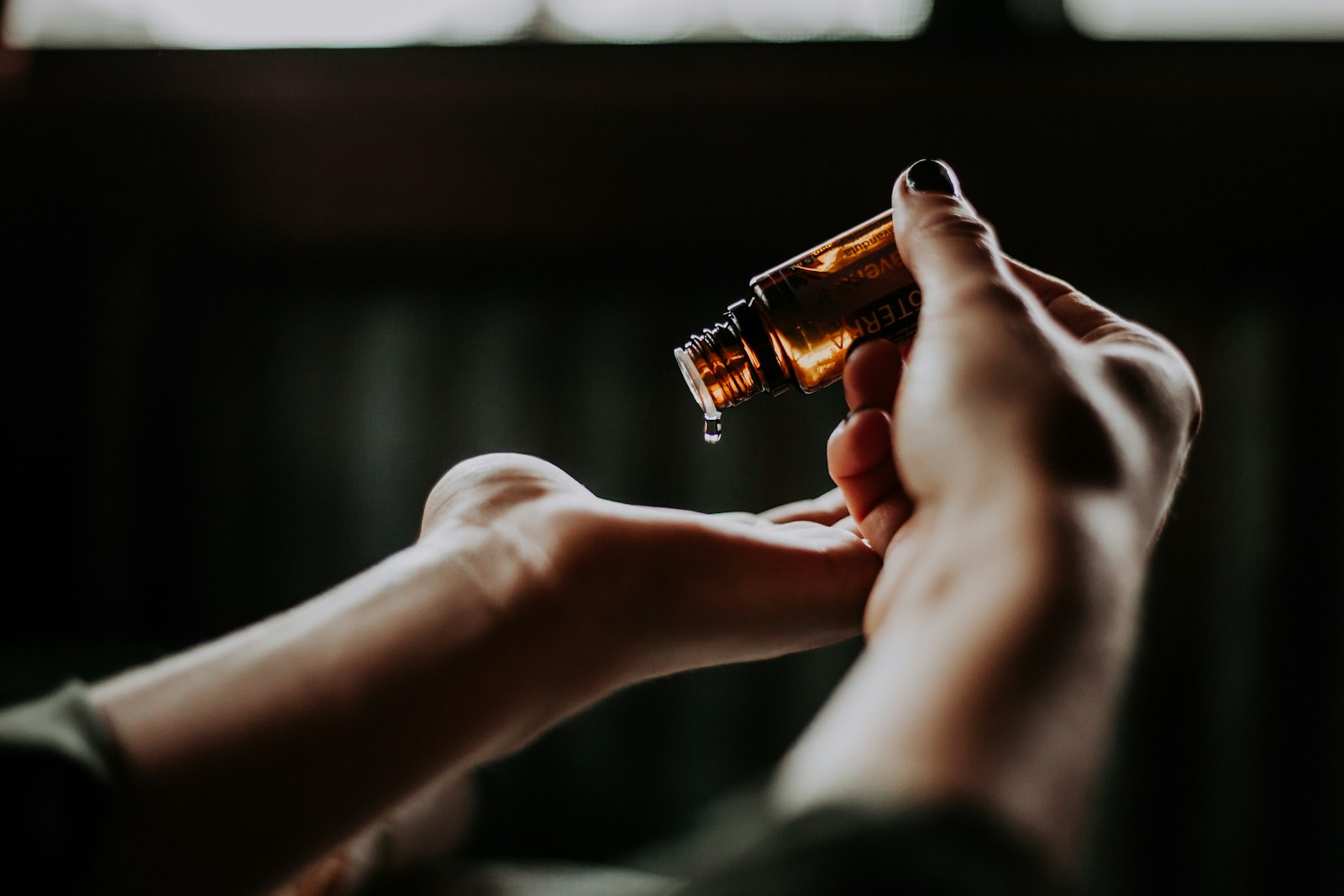
A serum can support the lipid quota. The client’s cortisol economy runs on sleep, load and, where relevant, a prescription the room does not write.
Where the chair stops and the physician starts
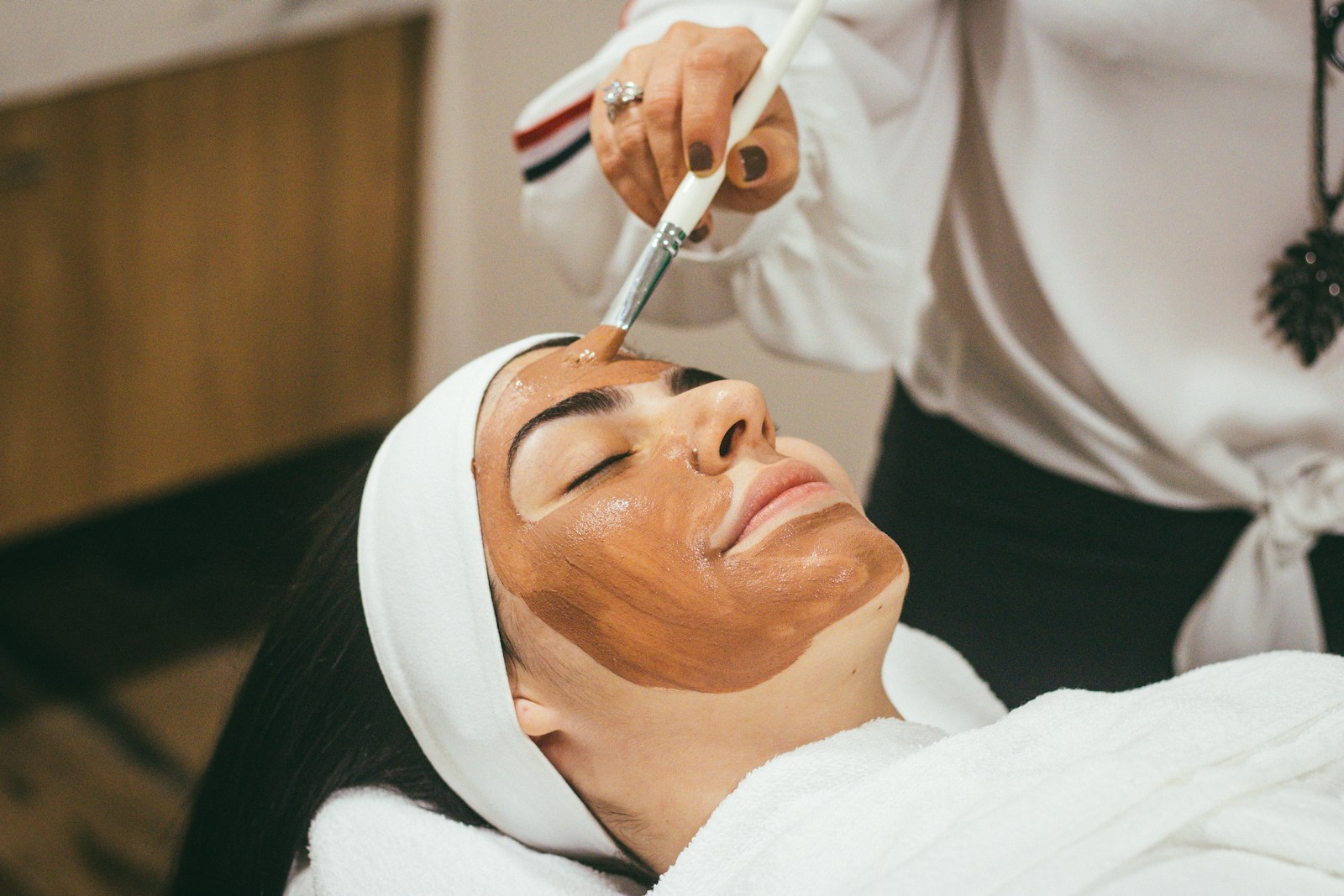
The line between cosmetics and endocrinology is the whole point of the consult, and it should be said before the products come out, while everyone is still comfortable.
- Sleep, shift pattern, training load and every steroid cream, including the mild hydrocortisone from the pharmacy, go in the chart at visit one.
- Acids, retinol and mechanical polishing stop while the skin stings. Exfoliating a lipid-poor barrier is a second insult with a menu name.
- Niacinamide, an equimolar lipid blend, a humectant and a thin occlusive finish are the core. Fragrance and essential oils stay in the other drawer.
- Visits sit close together and low in intensity. Three quiet appointments do more than one afternoon designed to feel like an event.
- Weight loss, a new cycle change, blood pressure shifts, truncal fat gain or systemic steroids go to a physician. Hypercortisolism is a diagnosis with a blood draw. A clinic does not make it from a jawline.
A menu line that promises hormone balance in a jar leaves cosmetic law behind. EU cosmetics rules decline medicinal claims, and the biochemistry would decline them as well if the law were napping. Fatigue is allowed in the room, as a description the client offers. A diagnosis that needed a laboratory is a different building.
The vehicle decides whether the ceramide is real
High-melting ceramides crystallise in a badly built gel and sit on the skin as inert dust, which can still be marketed as a barrier cream if nobody asks for the percentage. Liquid esters, cholesterol, free fatty acids in epidermal chain lengths and a pH near 5 keep the blend in a form the stratum corneum can take up. Ceramide NP on an INCI list is a name. It becomes a quality mark when the percentage is real and the vehicle is willing to carry it. Buying asks for the number. The adjective on the front of the jar is how dust gets a price.
The sentence for the chair is short enough to remember after she has gone. The barrier reads sleep and steroid use more accurately than the label reads the barrier. Niacinamide and lipids are craft, the kind you can repeat. The rest is the client’s calendar. No active runs that calendar, including the hour on the deck, which remains a photograph of a person sitting still. Enzymes have their own timetable. It is less photogenic, and it is the one that decides March.