Glycation in the dermis: what carnosine can slow, and what stays
Glucosepane and pentosidine cross-link collagen and stay there. Carnosine and phenols can brake new Maillard chemistry. A cream does not unpick the old bridges.

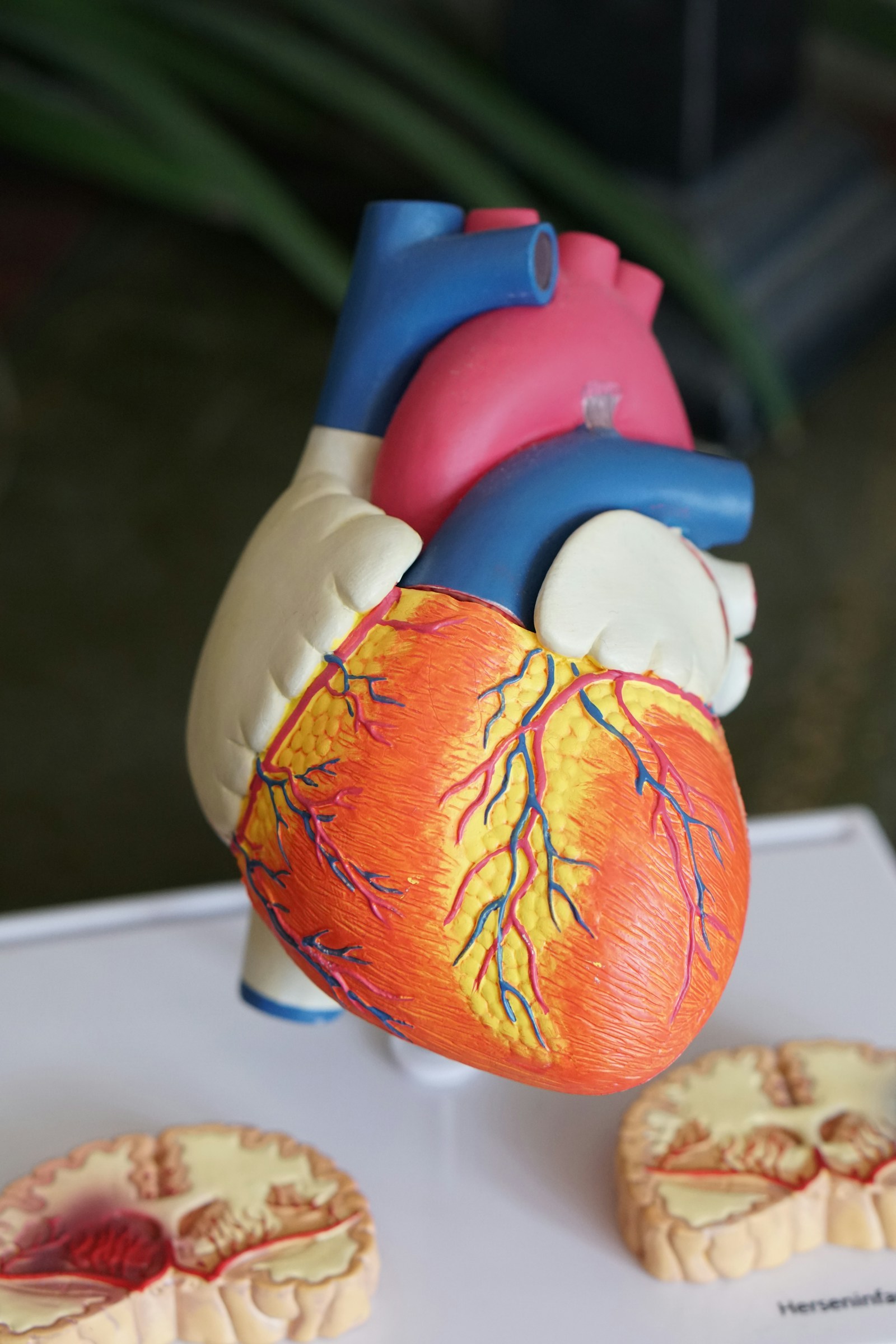
Sugars and proteins on a bench, the same chemistry that browns a crust and stiffens collagen. Image credit: Unsplash. Unsplash commercial licence.
Glycation is food chemistry that moved into the dermis and slowed down. A reducing sugar meets a free amino group on a protein, often lysine or arginine, and walks the Maillard reaction through to stable end products. Those advanced glycation end products, AGEs, stay on collagen. Some of them, glucosepane and pentosidine among the best described, tie neighbouring chains into cross-links. Collagen gets stiffer, less elastic, harder for the tissue to turn over. The browning on a loaf crust is a cousin of what UV and years of glucose flux do, very slowly, in skin. The oven finishes in minutes. The dermis takes years, and it does not rinse.
The sentence clinics have to live with at the Kosmetikfachhandel in Munich is an awkward one to print on a Prospekt. Cross-links of this kind, once formed, are treated as irreversible. No cream pulls glucosepane out of an existing collagen molecule and returns the protein to the arrangement it had twenty years earlier. Deglycating enzymes appear in research papers. They are absent from the cabin as an active with evidence on a human face. A banner that says glycation reversal is selling a direction the chemistry declines to offer.
What can still be slowed
New AGEs form all the time, slowly, in people who have never been told they have a glucose problem. Drivers include high tissue glucose, oxidative conditions that hurry the early Maillard products, and UV, which supplies reactive oxygen species and damages skin locally. Smoking and a diet heavy in strongly browned foods add load, through blood and through inflammation. That is context for a conversation about habits. It is a poor diagnosis, and a treatment room is the wrong place to issue a diet plan.
New formation can be slowed. Less UV. More stable antioxidant care. Molecules that trap reactive carbonyls before they cross-link proteins. That is where carnosine sits, and it sits there with a specific job. The dipeptide of beta-alanine and L-histidine reacts with those carbonyls and is described in the biochemical literature as a quencher. If it arrives at the site of reaction, it can make a share of future cross-linking less likely. The bridges already standing stay standing. Phenols, certain flavonoids and phenolic acids among them, are discussed in a similar role: they trap reactive intermediates or chelate metals that speed oxidation. An existing bridge is outside their reach too.
Carnosine and phenols work on the next cross-link. The one already standing in collagen stays until the tissue, as far as it still can, replaces the fibre.
For formulation, carnosine is a small hydrophilic peptide. It does not linger in the dermis by charm. Concentration, pH and a vehicle decide whether anything remains after application beyond a wet surface. In formulation buying the assay belongs in the negotiation: L-carnosine content, measured, rather than a plant extract meant to sound carnosine-like. Stereochemistry is the biology here. The dipeptide the papers discuss is the L form. A racemic story on a card is a different material with a familiar nickname.
Phenols, sugar, and language that can survive a chemist
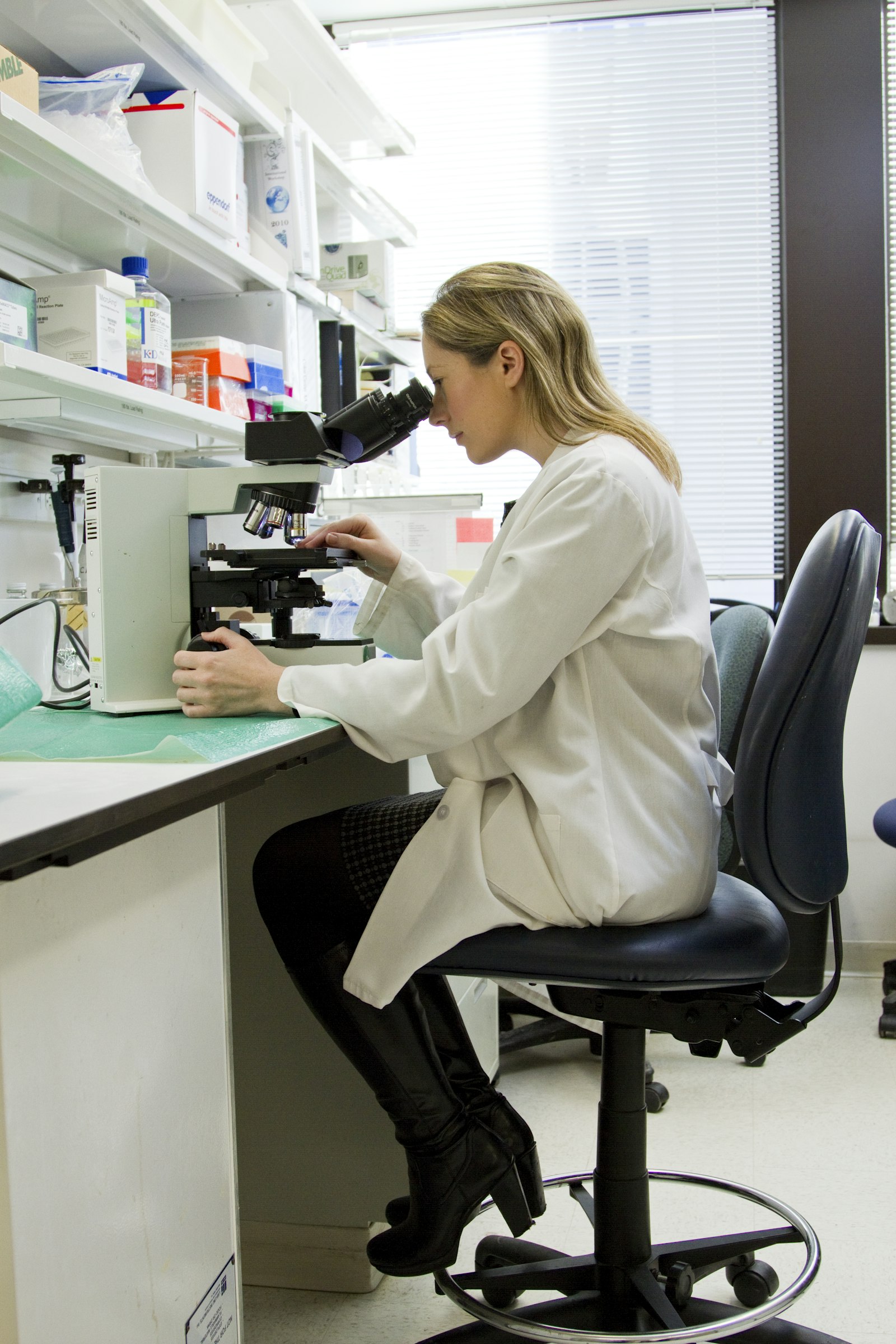
Phenolic raw materials have a second problem formulation labs know by colour and by sting. They are often coloured, astringent and irritating at the doses where a tube assay looks impressive. An extract that inhibits albumin glycation in a tube can sting a cheek while the dermis gains nothing you could count as one fewer cross-link. The albumin test is a screen. Dermal collagen is the tissue you are actually talking about. Buyers should ask whether inhibition was measured on collagen or only on a model protein, and whether the concentration tested exists in the finished emulsion a client would wear to work.
Sugar in skincare is a separate misunderstanding, and it is a pretty one. Hyaluronan, trehalose or a syrup in a mask does not automatically glycate the dermis. Glycation needs reducing sugars against proteins over time, under conditions a twenty-minute mask rarely sets. The reverse confusion is just as common. A cream marketed as sugar-free is a labelling choice. The sugar flux that matters comes from metabolism and diet. Honey, caramel and pastry on brochure graphics often teach the opposite of the chemistry. They romanticise the reaction they were hired to explain.
In the room this can be settled before the menu is printed, in language a receptionist can say without flinching. The care is built so that new damage from UV and from a beaten-up barrier is fed less eagerly. Where the data support it, a leave-on contains carnosine or a named phenol. Lines on a face have several owners: volume, expression, elastin, gravity, and sometimes a glycation component. Folding all of those causes into one reversal makes the invoice more confident than the fibre.
- AGEs such as glucosepane and pentosidine cross-link collagen. Those bridges are treated as irreversible in the chemistry a clinic can buy.
- Carnosine traps reactive carbonyls and can slow new formation. Existing networks stay in the protein.
- Phenols can quench intermediates or bind metals. An albumin assay is a screen, and a weak stand-in for dermal collagen.
- UV and oxidative stress accelerate the Maillard reaction in skin. Photoprotection is the largest lever you can pull every morning.
- A display that says reversal describes chemistry topical cosmetics do not perform on a living face.
What still changes if the old bridges stay
Irreversible is a chemical word. It is a poor excuse for doing nothing. Collagen turns over across a lifetime, only more slowly as the years accumulate. Fewer new AGEs mean the share of cross-linked collagen in newly made material is smaller. Over years that is a difference in how skin looks. It is a faint difference across six facials, and clinics that run longevity seriously sell the long timescale with the product. A transformation before the next quarter is a different product category, usually lighting.
The protocol looks plain because the chemistry is plain. Daily photoprotection with real UVA cover, because UVA reaches the dermis where long-lived collagen sits. A leave-on with declared carnosine, at night, on intact skin. Phenolic serums only at a dose the house tolerates, stopped if stinging outlasts the short sensation already known for that product. Skip the strong peel on the same day. The barrier is more open to irritants then, and clients misread the sting as better uptake. Better uptake of an irritating phenol is a worse afternoon. It is a weak brake on glycation.
Diet and glucose metabolism belong in a remark, spoken once, kept out of the treatment itself. A clinic does not replace nutrition counselling and does not diagnose a disordered glucose metabolism. The literature links AGEs to both. The cream does not stand in for the plate. Anyone who promises more is speaking past the edge of the beat, where the invoice gets brave and the collagen does not.
Four papers with the supplier, then you know
Four documents matter With the supplier, and they are dull in the way useful documents are dull. Identity of the quencher, L-carnosine or a named phenol with a level. The test system, collagen or only albumin. Concentration in the finished product. The claim that remains after the word reversal is struck from the card. If what remains is a sentence about slowing formation of new glycation products, to the extent the material arrives, you can work with it. If nothing remains, the product is a hydrating serum with a food story and a warm photograph.
The kitchen and the lab share the reaction. They part company on the clock. What browns in an oven in minutes takes years in the dermis and does not wipe off with a muslin. Carnosine and phenols are tools against resupply. Collagen that is already cross-linked stays until the body replaces it, as far as replacement still happens. Holding that limit on the price list is the longevity skill that survives a conversation with a chemist. The crust on the loaf can keep its romance. The cheek deserves the slower truth.