
Youth culture and sensory design
A smaller bottle is not a smaller dose
SCCS opinions cap salicylates by age and by product type. Teen skin gets a mild keratolytic, a sunscreen that gets worn, and a handoff when the finding leaves cosmetics.

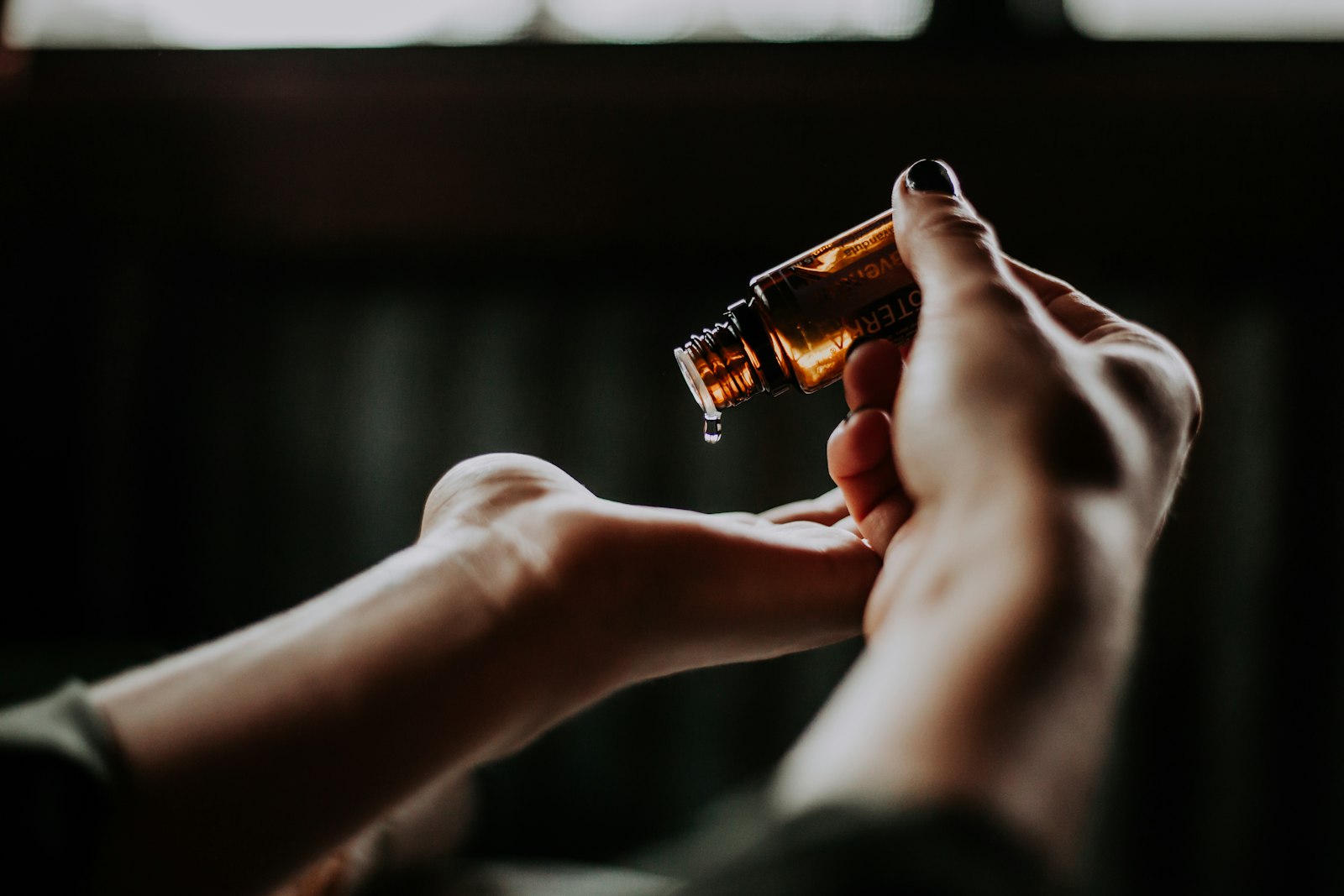
Youth cosmetics under the same regulation, with a dose written for the body in front of you. Image credit: Unsplash. Unsplash commercial licence.
At Spielwarenfachhandel and on the teen shelf in the drugstore the same logic now sits in a smaller bottle with the same claim, shrunk like a coat that was never recut. The Cosmetics Regulation applies fully to children’s products. SCCS opinions draw the lines tighter, especially for salicylates, certain preservatives and fragrance. A mini adult line with 10 percent acid is a mis-buy with a skin barrier attached. The bottle is charming. The percentage is an adult ceiling exceeded, then gift-wrapped.
Teen acne is common, visible, and badly served by bravado. It needs mild keratolysis inside the cosmetic limits, photoprotection that survives a school day, and an honest history. An adult dose because a channel said so is how a bathroom cabinet becomes a clinic problem. Clinics that see adolescents work with the parents or guardian, with recorded tolerance, and without a diagnosis a dermatologist would have to make. The cabin can be precise. Precision includes knowing where the cabin ends.
What the salicylate opinions actually allow
A safety assessment builds a systemic dose from amount, concentration, retention and body weight. The adult figure, often 60 kilograms, is the wrong reference for a child and for many adolescents. Younger bodies have more surface per kilogram. The same cream, spread over the skin, yields a higher dose per kilogram, which is arithmetic a birthday does not cancel. A 13th birthday does not switch the model to the adult default. A line aimed at adolescents puts that age group’s weight and surface area into the CPSR and adds up every product that carries the same substance: cleanser, leave-on, body lotion, oral care. The face serum is rarely alone in the bag. The bag is the exposure.
Annex III lists salicylic acid as a preservative at 0.5 percent and, for other uses, split by product type. Opinion SCCS/1646/22 supported that structure for adults in 2023: up to 3.0 percent in rinse-off hair products, up to 2.0 percent in other products, and 0.5 percent in body lotion, eye makeup, lipstick, non-spray deodorants and oral products. For children under three the regulation does not allow the substance across the product range as a rule. A shampoo exception in the annex does not lift the leave-on ceiling. The exception is narrow. Marketing prefers it wide.
For ages three to ten, SCCS/1675/25 finds the adult maxima unsafe once products are added together. The committee judged lower concentrations acceptable, among them 0.5 percent in rinse-off, 0.15 percent in leave-on and 0.1 percent in oral care, where those levels are actually met. That is a scientific ceiling for this age group. It is the yardstick a brand uses to show it does not dose adolescents as small adults, even where a separate annex line has not been written for every teen SKU. Ten percent salicylic acid in a facial leave-on sits outside the cosmetic ceiling of 2 percent. That percentage is a medicine with an authorisation, or a cosmetic that misses the annex. It is not a strong serum with a youthful font.
Glycolic acid, fragrance, and the preservation nobody gets to skip
Glycolic acid sits on a different page, and the page is older than the teen shelf. The scientific committee suggested, as a precaution, up to 4 percent and a pH of 3.8 or higher, SCCNFP/0799/04, and that figure was never written into the annex. A 10 percent glycolic acid sold to consumers needs a safety assessment that carries irritation and UV susceptibility. The assessment is the document. The percentage on a parent’s bottle is not a family policy.
Regulation (EU) 2023/1545 extended the fragrance allergens that must be labelled. Since 31 July 2026, products without that labelling may not be placed on the Union market. Older stock may still be sold until 31 July 2028. The thresholds are 0.001 percent in leave-on and 0.01 percent in rinse-off. Salicylic acid is a keratolytic and, in adult acne, a standard ingredient inside those cosmetic limits. A tube that says 2 percent, for the whole family, without the aggregate and without splitting age, has skipped the opinions or filed them under optional reading.
Methylisothiazolinone and related isothiazolinones are no longer an argument in leave-on. Fragrance allergens from the labelling list belong on teen skin only when they are needed, which is rare. A teen gel that smells of mango and vanilla selects customers. Tolerance is a different selection, quieter and less likely to trend. Preservation stays mandatory all the same. Water-bearing teen emulsions without a system are microbiologically naive, and naivety in a jar is a count waiting to happen. Challenge testing and ISO 11930 apply whatever age is printed on the pack. Natural and clean do not replace a microbial file. Clinics that put such lines in the cabin ask for the test. The leaf print can stay on the carton if the carton has room after the INCI.
Teen skincare is its own dose and its own fragrance decision, taken under the same regulation as the adult shelf.
Barrier, light, and the makeup that has to come off
Adolescent epidermis is not a reduced adult pattern. Sebum rises. The barrier is often unsettled. Retinoids from the parent cupboard are a common wrong move, borrowed because the bottle was already paid for. A clinic starts with a syndet cleanse, a non-comedogenic humectant and a sunscreen that gets worn. Only then comes a mild acid inside the cosmetic ceiling, if the skin tolerates it and the tolerance is written down. Benzoyl peroxide and other medicines stay with the physician. They do not migrate onto the cabin menu because a parent asked for something stronger before a school photograph.
Photoprotection is the underestimated part of teen acne care, lost under adult-channel arguments that end in fear of filters. For adolescents the product that stays on the skin counts: light, without a burning alcohol hit, with an SPF that matches the day they actually have, including the day that is mostly indoors and then suddenly a pitch. Coral romance is a different article. Photostability and daily wear are this one. A filter that is abandoned by second period has an SPF of the bag.
Make-up and camouflage on inflamed skin need hygiene and an evening removal that someone will actually do. A clinic that paints teenagers and sends no removal protocol leaves comedones that return at the next visit wearing a story about resistance. Resistance, sometimes, is last night’s pigment, still in the pore, under a very convincing concealer.
Parents, the cabin, and the moment dermatology takes the bag
Under 16 the advice is a three-way set, and it only works when all three know their part. The clinic explains. The young person decides in daily use, which is where every elegant protocol goes to live or die. The guardian carries the product at home and keeps the adult-shelf acids out of that bag, including the acids that sit in a parent’s bathroom because a magazine once liked them. Over-the-counter strength is not a family heirloom.
Cysts, scars, sudden worsening, medicines such as isotretinoin and hormonal questions go to a physician. The clinic does not run a parallel plot beside a systemic therapy without agreement. Peels and needling on teen skin, without a medical indication and without clear consent, are a risk with a price list. Bold is a poor adjective for someone else’s face at fifteen.
On the Spielwarenfachhandel floor and in adjacent beauty halls sit children’s cosmetic sets that mix lipstick, glitter and fragrance, packaged as play and formulated as leave-on. EN 71 and the Cosmetics Regulation can both apply, depending on intended purpose, and purchasing checks both rather than hoping the age mark chooses. INCI, age mark, and whether the set is a cosmetic at all. Glitter in the eye is a particle in the wrong place. Cute is not an exposure assessment.
A stand talk ends with the numbers still in the room. Age and purpose: leave-on or rinse-off, and which year of life, with the SCCS limit read before the claim. Salicylate concentration and fragrance labelling, with omission where the scent was only there to sell. A challenge test for anything water-bearing. Photoprotection that is wearable and photostable, without a speech about the reef doing the work of an SPF. And a handoff written down: the finding that ends the cabin and starts dermatology. Child and youth cosmetics sit in the same legal room as adult care, with less slack in the dose and less romance in the fragrance. Clinics that take that seriously lose the 10 percent acid customer at the door. They keep the family, which is a longer booking, and a quieter bathroom.