Youth culture and sensory design
A weight the hand can read, and a flasher that should have stayed off
Proprioception wants mass in grams and an edge inside EN 71-1. Plasticisers, small parts and a buzzer held to the ear undercut the object the carton is selling.
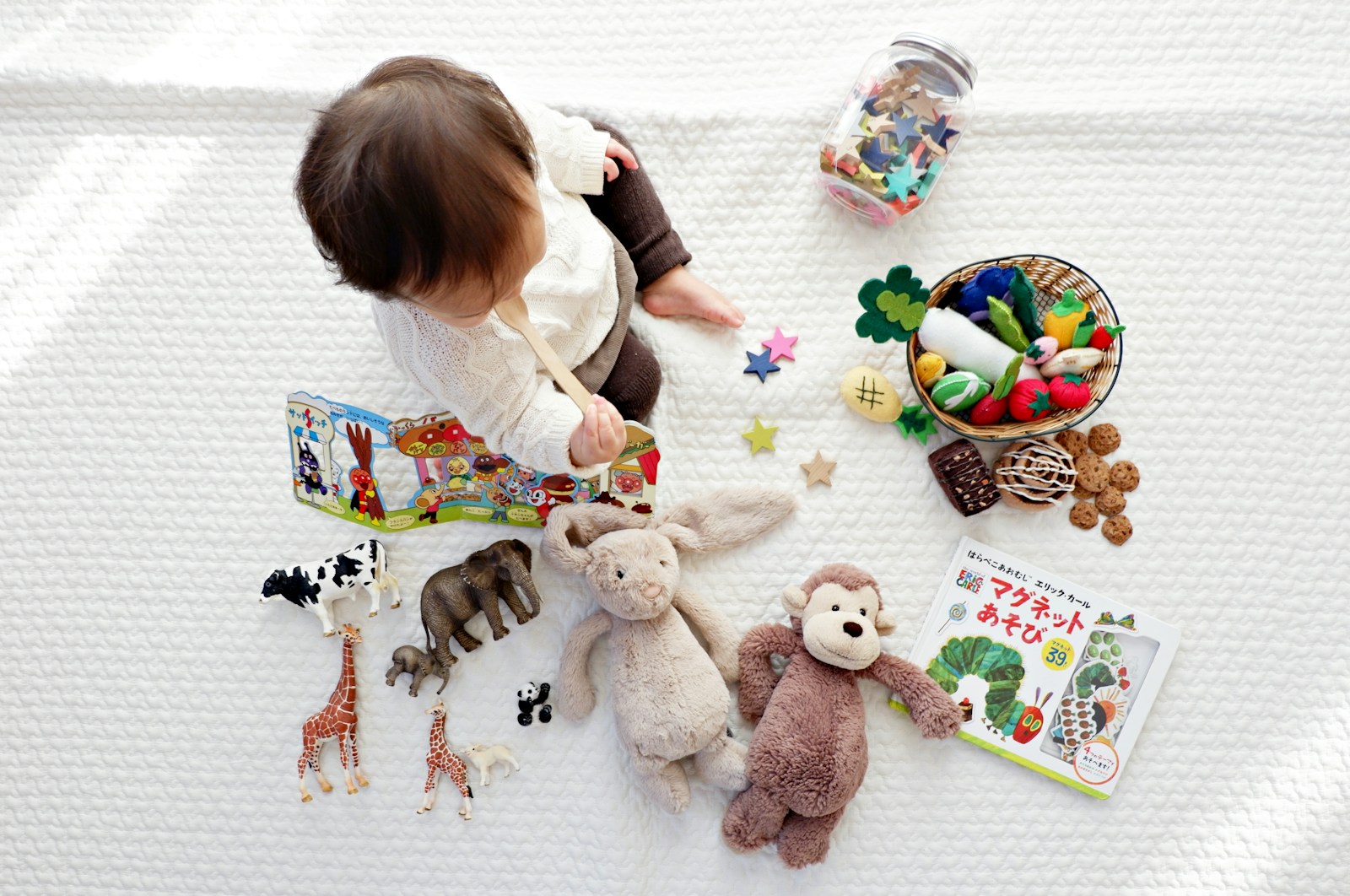
A defined mass in the hand. The blinker and the vanilla are a different product wearing the same word. Image credit: Unsplash. Unsplash commercial licence.
At the Spielwarenfachhandel in Nuremberg the word sensory now sits on products that flash, beep and smell of vanilla, lined up under light that makes every polymer look like a good intention. Proprioception, the sense of where a limb is and how hard it is working, needs something plainer: a defined mass and an edge that can be read without cutting. A hollow ball with a diode delivers no load into the joints. A ball that is too heavy becomes a projectile the moment a child decides the room is a pitch. The object is ergonomics. It is a thing with grams, a radius and a surface. Printing a therapeutic aim on the carton confuses a tool a practitioner may choose with an effect the toy does not have. Autism, ADHD and a sensory disorder are not product claims. They are lives. Retail is selling objects.
Buying checks three physical facts and one chemical sheet, then stops performing concern. Mass, edge, sound. Then EN 71 and the plasticiser limit under REACH. The rest is a trend word in a friendly typeface.
Mass and edge, before anyone adds a light
Proprioceptive input appears when a weight works against the body or a clear form presses into the hand. The mass has to sit in a range the child can lift and that still resists, a narrow band between a feather and a brick. Too light and the object is a noise with a seam. Too heavy and a drop or a throw becomes a kinetic hazard, which EN 71-1 limits through mass, impact and projectile energy. The specified mass belongs on the data sheet in grams, with the age range, not as the word weighted, which can mean a handful of sand or a small planet depending on the supplier line.
The edge is a contour, not a blade and not a marshmallow. EN 71-1 limits sharp edges and points. A readable contour stays inside those radii and still gives a definite pressure the hand can name. Soft, shapeless sacks with no defined weight supply neither pressure nor position. They are a cushion. Cushions have a place on a sofa and in a calm corner. They are a different specification from an object that reports where the hand is.
Flashers and buzzers undercut the users the shelf claims to be for, which is an own goal with a battery. Someone sensitive to sound is handed a device that demands attention. EN 71-1 caps sound pressure from toys that emit sound, with particular limits for toys held against the ear. A cube that children press to the head falls into that measurement, even if the marketing meant it as a quiet companion. The buzzer is switchable or it is absent. Light that cannot be switched off is the same fault in another channel, blinking through a film night because nobody designed an off.
EN 71, and the assumption that it will go in the mouth
The Toy Safety Directive and the EN 71 series are the floor, not a medal for the educational claim and not a halo for the word sensory. EN 71-1 covers mechanics and physics: small parts that fit the test cylinder for children under 36 months, cords, sharp breaks after foreseeable abuse. Foreseeable, here, includes boredom and a sibling. EN 71-2 covers flammability, relevant for textile covers and for fillings that carry a flame farther than the story on the hang tag. EN 71-3 covers migration of certain elements, aluminium, heavy metals, chromium species, organic tin, in three material categories. Pliable and mouthable masses are judged more tightly than a scraped hard plastic. A weighted putty and a lacquered wooden core are not the same test, and a booth that offers one report for both has offered a shortcut.
Mouth contact is the design assumption. Hope that the child will stay polite is not a test method. Anything that can be mouthed is tested that way. Small parts on a peelable cover, magnets, button cells inside a light module: those are the findings that fail an otherwise calm shape. A battery a household tool can open is the reason to reject the sample, however soothing the weight felt in an adult hand With the supplier. Adult hands are a poor proxy. They do not chew.
The standard says nothing about whether the weight supports a regulation strategy an occupational therapist set for a particular child. That statement stays with the practitioner and the family, in a clinic room. Retail sells an object with mass, surface and a test report. An indication is a clinical sentence. It does not transfer because the carton used a soft colour.
Defined mass and a readable edge are the specification. A flasher scented with vanilla is a different product, and the hand can tell.

Plasticisers, named, in the grip and not on the hang tag
Soft grips, weighted cushions and mouthable sleeves are exactly the materials plasticisers sit in, which is why the pleasant squish needs a chromatogram. REACH Annex XVII, entry 51, caps DEHP, DBP, BBP and DIBP, alone or in any combination, at under 0.1 percent of the plasticised material in toys and childcare articles. Entry 52 caps DINP, DIDP and DNOP in toys that can be placed in the mouth, again at 0.1 percent. Phthalate-free on a hang tag is a slogan with a string. The report names the substances, the limit of determination and the material that was measured, grip separate from cover separate from cable. One blended number for the whole toy is how a clean cover hides a dirty grip.
Alternative plasticisers are not automatically a kinder chemistry because the name changed. They have to pass the same migration test and the same content test, and they must not leave the grip so tacky that dirt and skin residue become a surface that will not clean. Cleaning is part of the ergonomics. An object that after a week of use only smells of the last hand leaves service, however correct the weight was and however calm the first afternoon felt. Smell is data. Display copy perfumes it away.
What buying can carry out of Nuremberg without the carton copy
Spielwarenfachhandel 2027 will print the word sensory on still more cartons, in still softer colours. What travels is a sheet that holds mass, standard and plasticiser on one page a buyer can compare under bad coffee. Mass in grams and an age range. An edge inside EN 71-1 that is still a contour the hand can find. Sound that can be switched off, a close-to-the-ear measurement where the toy invites the head, and no light that cannot be killed. EN 71-1, EN 71-2 and EN 71-3, with the material category named so putty is not passed off as a scraped board. REACH entry 51 and, where the toy can be mouthed, entry 52, a report per material. No therapeutic claim and no indication on carton or sales sheet, including the wall that uses a clinic typeface to look careful.
An object with a clear mass, a quiet surface and a report that shows plasticisers under the limit can sit in a setting a practitioner directs. A flashing, scented, too-light body with the same word on the carton cannot, and the difference does not require a white paper. It can be held in the hand In trade buying, weighed, silenced, and set back on the shelf when the diode starts up again because nobody found the off.