Youth culture and sensory design
The rabbit is a microphone with a return address
Voice that leaves the device for a default third-country cloud is a file, not a feature. Retailers want local processing, a deletion window, and the Cyber Resilience Act clock that has already started.

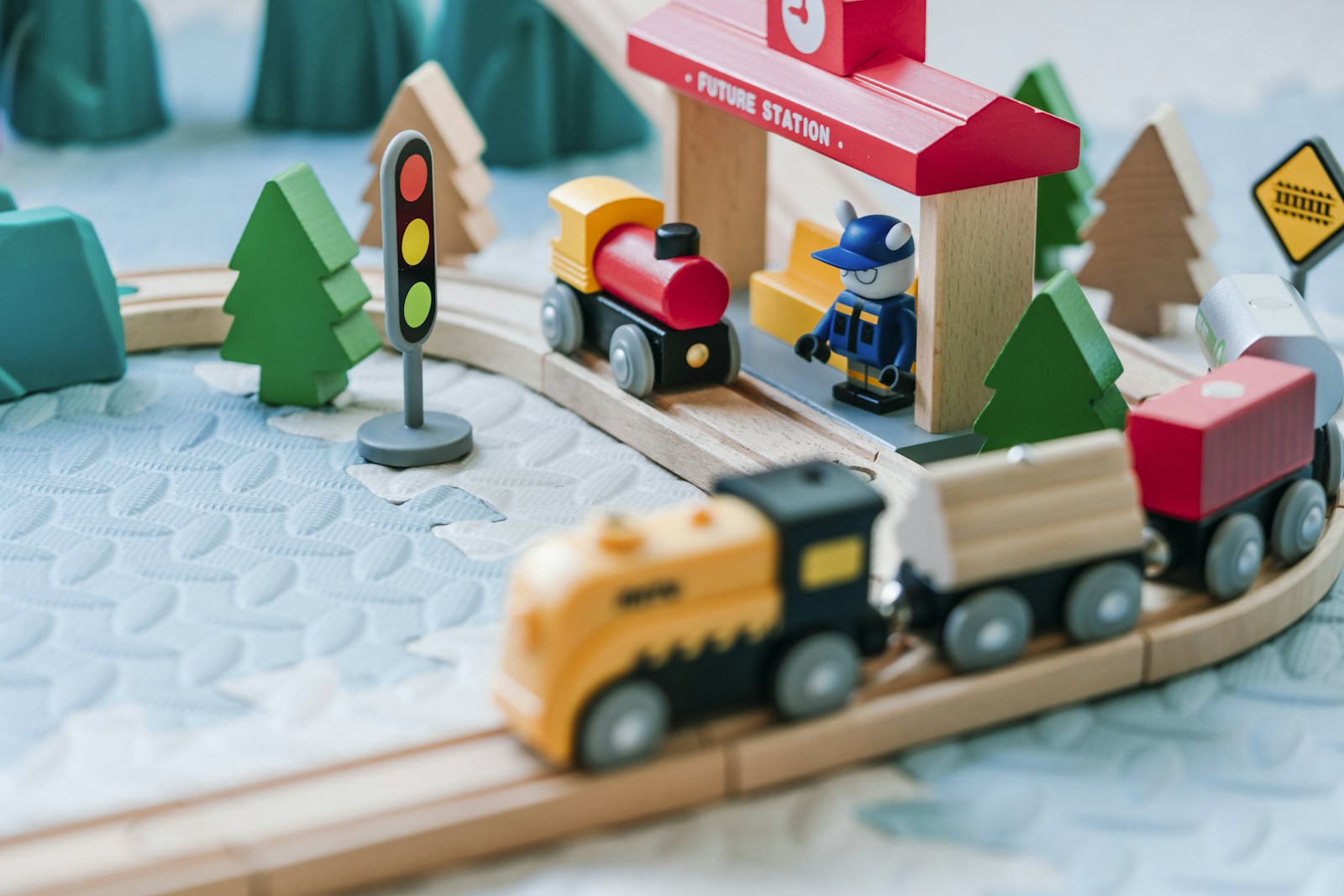
A connected toy on a retail plinth. In the room it is a microphone, an account, and a question of who can delete the file. Image credit: Unsplash. Unsplash commercial licence.
On the Spielwarenfachhandel floor the supplier line often promises the same thing, in a voice slightly too bright for the hour: the toy listens, answers, learns. In the child’s room the device is a microphone with a cloud. Voice, location, usage times and sometimes a carer’s face leave the room as soon as the default setting carries a server address in a third country. Data sovereignty, in this corridor of plush and ABS, is a practical question. Who can delete the file. Who has already copied it. The plush is the costume. The file is the product.
GDPR is stricter for children, not a softer corridor because the object is cute. Parental consent does not replace technical and organisational measures. A Wi-Fi rabbit without documented TOMs, without a deletion window and without a local option is an open processing operation wearing ears. Retailers who list it share the risk, which is a less charming sentence than the one on the supplier line header.
What the microphone actually takes out of the room
Voice input without local processing means the audio leaves the device. Whether it arrives as a file, a feature vector or a transcript changes the shape of the bytes. It does not retire the questions of purpose, minimisation and retention, which have to be fixed before the first firmware ships and not in a patch note parents will never read. A firmware update that suddenly adds face recognition is a new processing. It needs new information. A hidden checkbox is a magic trick, and magic tricks are a poor lawful basis.
Many connected toys store parent accounts, Wi-Fi names, MAC addresses and usage profiles beside the voice that was the advertised miracle. That is inventory. An access request must be able to list those data in a form a person can read. If the record is missing, lawfulness is missing with it. Retailers who sell such devices as educational have to see the list before the sale, not after the first parent letter, which always arrives on a Monday and always sounds like the letter you hoped the legal team had already answered.
Cameras in dolls and robots are the sharper case, because a lens in a bedroom is a sentence even when the maker calls it a scene. An image of a child is biometric proximity, whatever the product copy prefers. Default off, a physical cover, an LED that software cannot lie about. Anything else is a device that stays off the shelf, however well it tells a bedtime story in the demo. The demo is a booth. The bedroom has a door.
Cloud, third country, and the default nobody changed
The default path decides, because defaults are where products tell the truth. If the account sits automatically on a server outside the EEA without a valid transfer tool, sale in the EU is a legal problem with a SKU. Standard contractual clauses, adequacy decisions and an honest imprint line are the floor, unglamorous and mandatory. A QR code on the box that lands on an undated privacy page is a corridor. Corridors are not a transfer mechanism.
Local processing is the clean architecture, and it is also the one that makes the supplier line demo slightly less magical, which is why some stands avoid it. Speech is recognised on the device. The cloud stays optional and off until a person turns it on, knowing what they turned on. If that cannot be built, the cloud has to be narrow enough that purpose, term and deletion fit in one sentence a parent can repeat. We improve the service is not a purpose that carries a child’s room. Improvement is a mood. A purpose names the command, the audio, the days.
A microphone in a child’s room without local processing and without a deletion window is an open file. The plush does not close it.
Updates, the Act, and the age Germany actually set
Updates have to be signed. An open port, a default password and firmware without an update path are the classic weakness of connected children’s products, repeated so often it should embarrass the mould. A device can pass EN 71 and still ship a secret printed in the manual, which is mechanical safety and data safety failing to meet in the corridor. They are two tests. A smile in the drop test does not encrypt the stream.
Since 11 September 2026 manufacturers have a reporting duty under the Cyber Resilience Act, Regulation (EU) 2024/2847, Article 14. Actively exploited vulnerabilities and severe incidents that affect the security of the product go out as an early warning within 24 hours and as a notification within 72 hours, through ENISA’s single reporting platform. The remaining duties, including the essential cybersecurity requirements and the support period, follow on 11 December 2027. A booth that moves the whole Act to 2027 is skipping the clock that is already running. A unit on the shelf is not excused because it shipped before that September, once a vulnerability is actively exploited. Exploitation does not check the packing date.
Article 8 of the GDPR leaves member states the age of digital consent between 13 and 16. Germany set it at 16. A play account with a voice profile cannot rest on the child’s click, however delighted the click looked in the unboxing film. Information and consent run through the holders of parental responsibility, and they describe the microphone in plain sentences: off until a button opens it, local recognition or a stream, deletion after the command or a period in days. A default that keeps raw audio to train a model is a purpose consent does not cover in silence. Silence is not a tick.
The measures stay nameable, which is the test of whether they exist. Encryption in transit, separate keys, access only to run the command, a reset that deletes the server account when the toy is passed on to a cousin or a charity shop. A second-hand unit that has not been reset is an account that keeps listening in a new bedroom. That is the line purchasing reads next to the voice sample, while the sample is still being charming.
What a buyer asks for while the demo is still talking
Purchasing does not ask for the cutest voice. It asks for the processing record, the processor, retention, location, the right to erasure and the breach path. If an answer is missing, the listing is missing, and the missing is the decision. Schools and therapy settings that use connected material also need a processing agreement and a clear rule on who may reset the device. A child-protection concept without an IT section is a concept with a hole in the shape of a microphone. Supervisory authorities have used connected toys as examples more than once. The example is known. Surprise is no longer available as a defence.
Parent information belongs in plain language. Which data, where, how long, how out. A 14-page clause in English at 8 point is a barrier, and barriers are not transparency because they are long. If that page cannot be supplied in sentences a tired adult can finish, the device is not sold to families. On the supplier showroom the documents are the end of the supplier talk: audio, account, location, image, each with a purpose; EEA or a valid transfer, with no silent third country; a deletion window, a reset, and proof that delete account empties the device; signed updates, no default secret, an end of support named; microphone and camera off by default, cloud optional; the CRA path since 11 September 2026, early warning within 24 hours, and a support path for 2027 written where a buyer can photograph it.
A connected toy can earn its place when the architecture thinks on the device and the cloud is a choice. On the supplier showroom that is what separates a maker who can delete a file from a line that sells a child’s microphone as intelligence, then packs the intelligence in a box with a smile.