Hemisqualane from the tank: silk, sugar, and a shorter chain
Yeast on cane sugar can deliver a hydrocarbon without a shark liver. Buyers still have to separate C15 from C30, then read peroxide value and odour on skin.

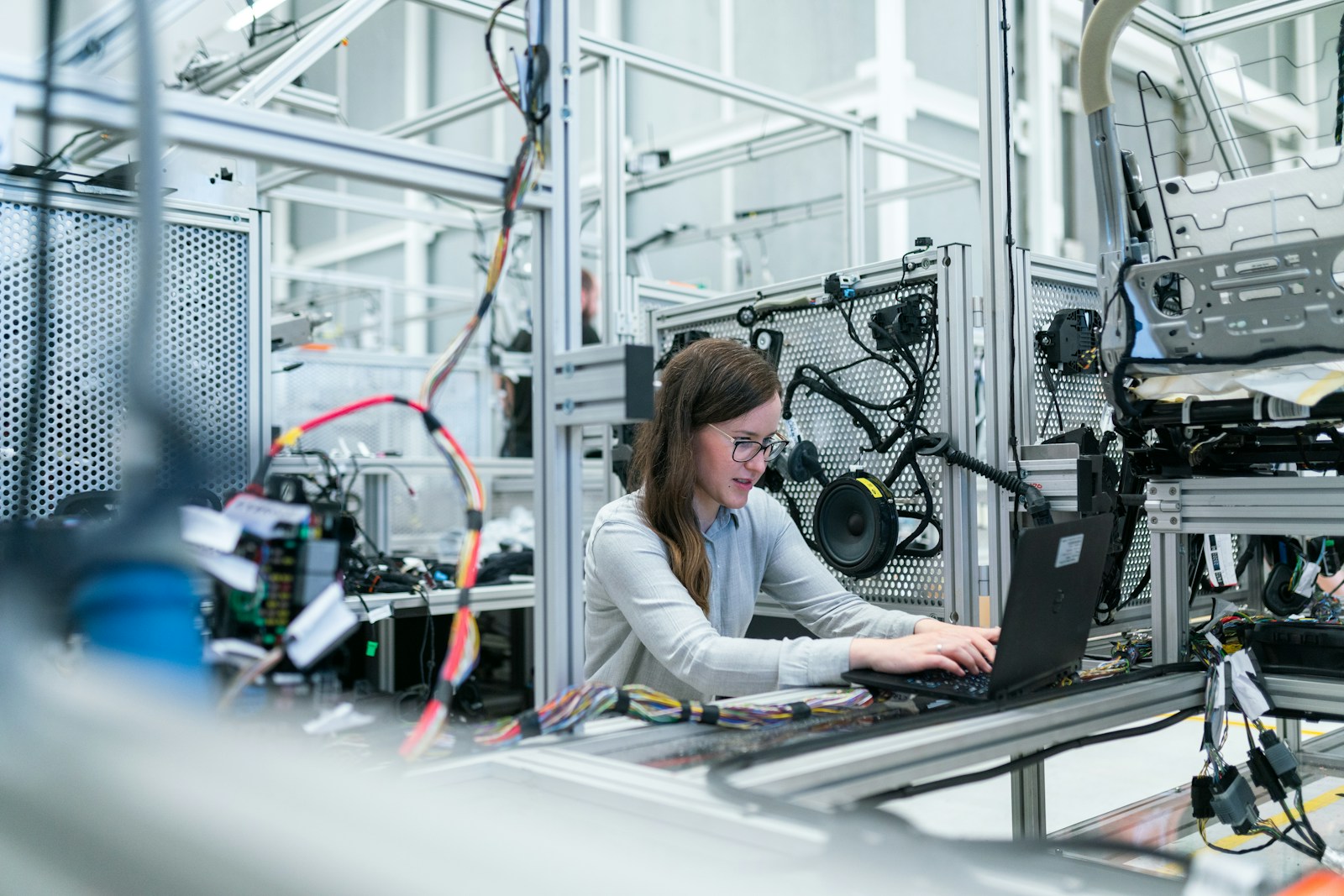
Sterile tanks stand in for shark liver. The slip on skin still has to be checked by hand. Image credit: Unsplash. Unsplash commercial licence.
Forget fields of harvested olives for a moment, and forget the old drums that smelled faintly of the sea. Squalene is an unsaturated C30 hydrocarbon. On the cosmetic bench the material is almost always the hydrogenated form: squalane, saturated, low in odour, calmer in the face of oxygen. The unsaturated precursor once came from shark liver. Olive distillate still runs in parallel. Where the strain work has paid off, yeast on sugar does the quieter job. Hemisqualane is the shorter cousin, C15, from hydrogenated farnesene. A buyer who writes biotech on the specification and stops there has folded three molecular classes and an ethics question into one fashionable word. At industry practice the canisters look identical. The route is what the label often leaves off.
Shark, olive, yeast
Deep-sea sharks concentrate squalene in the liver, sometimes as a very high share of the liver oil. Grams of product per gram of organ look efficient in a narrow ledger. Species, bycatch, batch variation and the pollutant load that collects in liver fat sit on the other side of that ledger. Cosmetic grade appears only after hard refining. Traceability back to species stays thin in many trade chains. A slice of the market left the marine route before any blanket ban closed it.
Olive squalene sits in the deodoriser distillate of oil refining. Yield per tonne of oil is small. The feedstock is plant, and it competes with food side-streams. After hydrogenation the saturated C30 can match the shark-derived material, provided the cleanup holds. Residual unsaturation, colour and odour are analytics. The story on the drum is atmosphere.
The yeast route, in industrial form, usually runs Saccharomyces fed on sugar, often from cane. The strain secretes farnesene, a C15 sesquiterpene. Hydrogenation of that farnesene yields hemisqualane. Full squalane needs a further chemical step that couples two C15 units into the C30 skeleton, then hydrogenation again. Biotechnology does not end at the fermenter lid. Downstream sets purity, odour and price at least as hard as the titre in the tank. Light through a glass wall in Zürich or São Paulo does not change that arithmetic.
Yield means titre, coupling, hydrogenation
Efficiency in the fermenter is grams of product per litre per hour, plus the carbon yield from the sugar. Farnesene titres have risen over the years. The public literature speaks of industrially relevant concentrations. For C30 squalane the tight spot often sits outside the last hydrogenation, which runs nearly to completion on a clean feed with the right catalyst. Fermentation, coupling and separation carry the cost.
Hemisqualane skips the coupling. Per kilogram it is often the easier biotech hydrocarbon, and it is a different molecule from squalane. Hemisqualane is commonly sold as C13-15 alkane. Squalane remains squalane. One marketing sheet, two specifications, two spread weights. Treating both under one INCI reflex compares the wrong pair, then wonders why the serum feels thin.
A second efficiency matters at purchasing. How many grams does the formula need for the same slip, and how stable is the peroxide value after storage. A cheaper kilo that must be dosed higher, or that smells tired after three months of warm storage, is expensive. Shark and sugar routes can both deliver clean goods. They deliver them when the specification is held, batch by batch.
Biotech is a manufacturing route. Dosing hemisqualane as if it were squalane buys the shorter chain under the longer slogan.

Purity on the strip, not in the origin story
Squalene oxidises. The hydroperoxides matter more for contact reactions than the fresh unsaturated substance itself. Fully hydrogenated squalane barely takes that path. Incomplete hydrogenation leaves an unsaturated fraction standing. The specification therefore needs a ceiling for residual unsaturation, a peroxide value, a colour, an odour. A chromatographic main component above 99 percent, which looks different depending on the method, is one line in a longer document.
Marine oils also need a look at persistent organic pollutants and heavy metals, because liver fat stores what the animal does not excrete. Fermentative material starts without that marine load. It can still carry fermentation by-products, solvent residues from downstream, and catalyst metals from hydrogenation. A dossier that skips those points is an origin story with a nice typeface.
Odour separates the goods on a skin strip, in direct comparison. A certificate pdf is the wrong instrument for that minute. Good squalane is nearly odourless. A green, metallic or sweet note migrates into light serums and into fragrance-free lines, where it has no business. Hemisqualane is more volatile and can show a dry character of its own in the first minutes. A rich cream swallows it. A light fluid does not. That is why the strip test happens in the formula you actually fill, under the light of the lab, not under warmer display spots.
Feel inside the formula
C30 squalane sits as a mid-weight emollient. It spreads quietly, stays on the skin longer than volatile alkanes, and is often sold as skin-like because human sebum itself contains squalene. That kinship describes how the substance class behaves in many formulas. Topical squalane does not stand in for the sebum film. Barrier work, when a formula is actually built for it, is a different recipe judgment: lipid mixtures with ceramides, cholesterol and fatty acids. The hydrocarbon can sit beside that architecture. It does not replace the brief.
Hemisqualane sits closer to light alkanes and to some of the volatile silicones formulators are trying to leave behind. It dries faster, shines less, and carries less occlusion. In a hair fluid or a light sunscreen oil that can be the pull that was wanted. In a rich night cream that used squalane as weight, the weight is what goes missing. Efficient substitution is calculated in sensory dose. Kilo price is the incomplete number.
Clinics that sell loose oils in the cabin should be able to name the route: sugar and yeast, olive, or marine. A house that excludes shark writes that into supplier approval and checks it by spot sample. The word sugarcane on the drum is the start of the sentence. Oxidation stability is the second stamp, independent of the story. An open dish at the wash station, light, warm room air: the pack then decides how long the oil stays as quiet as the day it was filled. Buyers walking industry practice can ask for the INCI, the peroxide value and the route on one sheet. A supplier that offers the word biotech in place of those three is selling the canister. The molecule is still in the tank, waiting to be named.