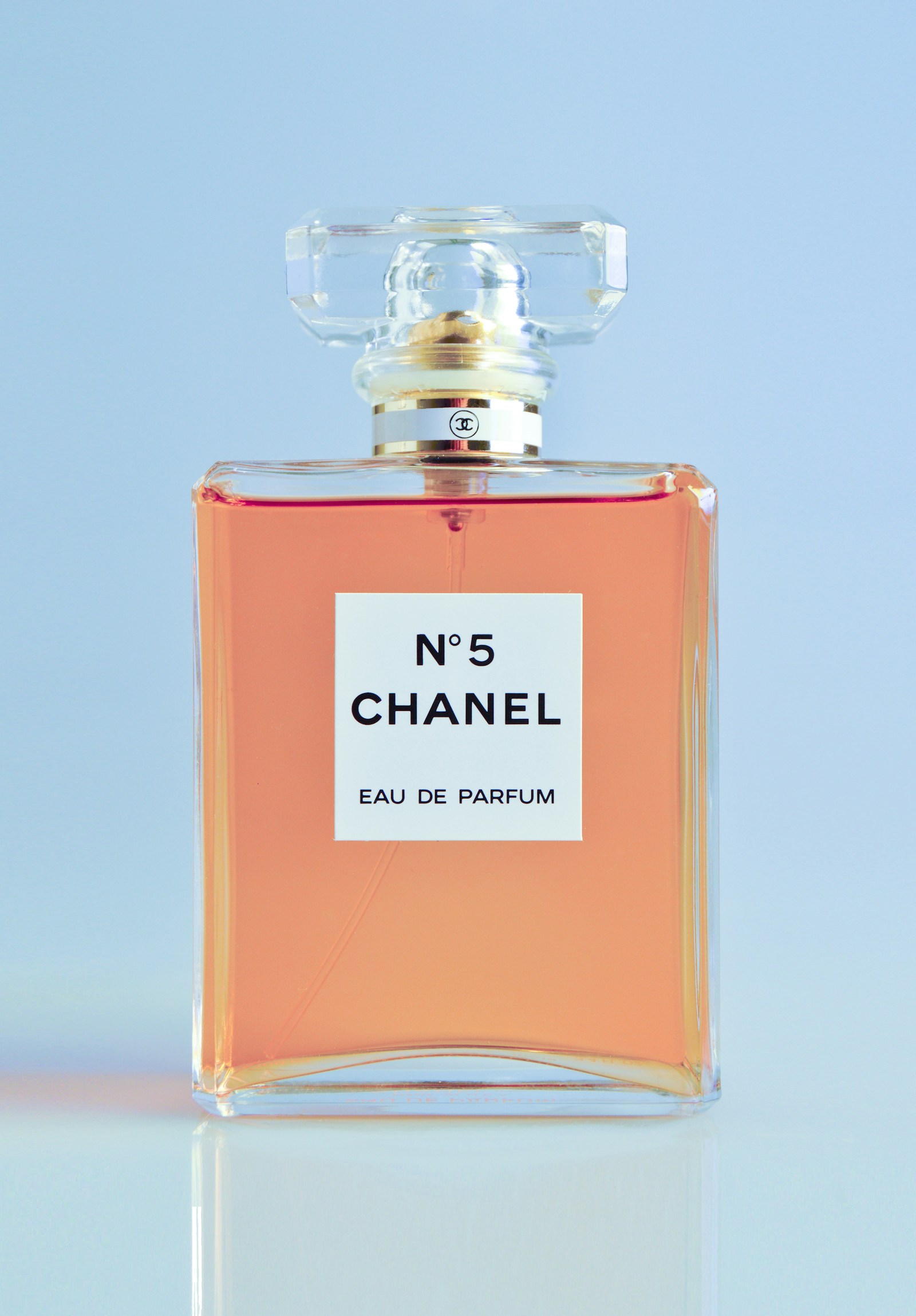
Bemotrizinol after the sun has had its say
Photostable broadband filters hold a spectrum once the lamp has done its work. Reef-safe remains a slogan. SPF is a dose of 2 milligrams per square centimetre.

A filter earns its number after irradiation, on skin that actually received the dose. Image credit: Unsplash. Unsplash commercial licence.
A sunscreen is as good as its spectrum after irradiation. The shine on a shoulder at ten in the morning is a poor proxy, however flattering the light on the terrace. Photolabile filters lose absorption and can yield degradation products that were not in the original formula. Bemotrizinol, INCI bis-ethylhexyloxyphenol methoxyphenyl triazine, and drometrizole trisiloxane are among the large, photostable molecules with which European formulas carry UVA and UVB together. The coral question hangs beside them on social feeds, under the words reef-safe, which are not a standard. Clinics advising in 2026 keep the two levels apart. At industry practice they are still sold in the same sentence, usually over a photograph of water.
Bemotrizinol: broad, heavy, steady in the light
Bemotrizinol covers UVB and UVA. It is oil-soluble, and with a molar mass around 628 grams per mole it sits well above what passes readily through the stratum corneum. In the EU it is listed in Annex VI, maximum concentration 10 percent. It is photostable itself, and it is used to support more labile partners, above all avobenzone, INCI butyl methoxydibenzoylmethane. Avobenzone is a strong UVA absorber and breaks down under UV when nothing stabilises it. Octocrylene can take that role, and it is under criticism because of benzophenone as an impurity and a degradation product. Bemotrizinol is the later stabiliser in many European broadband formulas. The molecule is large, a little heavy in the oil phase, and quiet once the film has set.
In the United States, bemotrizinol is not a classical OTC monograph filter. A formula that is supposed to be identical for both markets often fails exactly here. What is a standard building block in the EU has to be replaced, for the US market, from the list permitted there, plus the mineral filters titanium dioxide and zinc oxide. The same marketing promise on two regulatory systems is then a second formula, with a second feel on the skin. Clients notice the white cast before they notice the annex.
Drometrizole trisiloxane, known as Mexoryl XL, joins a triazole chromophore to a siloxane chain. The chain improves solubility in cosmetic oils and film formation. This molecule too is built for photostability and is listed in Annex VI at a set maximum. It is a filter inside a finished, tested formula, with an SPF file against a standard. A clinic does not stir it from open trade into a cabin blend between appointments.
SPF is a dose people rarely apply
The sun protection factor under ISO 24444 is an in vivo value against erythema-effective radiation, determined at an application of 2 milligrams per square centimetre. In daily life many people sit clearly below that. An SPF 50, spread thin, is a thinner film than the method assumed. Advice on amount outruns any filter argument, provided the formula has a broad spectrum at all. The two-finger rule and a mirror do more work than a new INCI syllable.
For UVA, the EU expectation is that the UVA protection factor is at least one third of the labelled SPF, and that the critical wavelength is at least 370 nanometres. Measurement is in vitro under ISO 24443, on a defined plate, after an irradiation that exposes photolabile systems. This is where bemotrizinol separates from unstabilised avobenzone. The spectrum after the dose is the spectrum being sold. The spectrum before the dose is a laboratory courtesy, flattering and unfinished.
Water resistance is another methods point. What is tested is the share of SPF that remains after a defined immersion. A product that says water-resistant without that test has left the method. Sweat, towel and sand sit outside that protocol unless the file says otherwise. A cabin briefing clients before a holiday talks about amount, reapplication and rubbing. Behaviour stays in the briefing because a filter cannot take the afternoon shift by itself.
Photostable is a measured value after irradiation. Reef-safe is an advertising word without a test standard, and the two do not share a sentence.

Coral studies depend on dose, species, and the bay
Part of the laboratory literature, prominently on benzophenone-3 and on ethylhexyl methoxycinnamate, finds damage to coral larvae, to symbiotic partners or to adult fragments. Some coasts, Hawaii among them, have restricted the sale of products containing oxybenzone and octinoxate. That policy is real. It is a sales restriction in a named place. It is a different document from a completed environmental risk assessment for every filter in Annex VI.
Concentrations in many exposure experiments sit above what is measured in open water off reefs. Closer to shore, in bays with many swimmers and poor mixing, values can rise. Temperature, wastewater, sediment and overfishing explain most of the bleaching observed worldwide. A filter experiment in a tank without those factors can show a toxicity and still leave the ranking of reef damage where the field data put it. The tank is precise. The reef is a mess of other pressures.
Mineral filters are not an automatic quiet place in this picture. Zinc oxide shows effects on marine organisms in some laboratory systems, depending on coating, particle size and dose. Uncoated nano material behaves differently from a coarse, coated pigment. Reef-safe on the tube says nothing about any of those variables. Bemotrizinol is large, lipophilic and poorly water-soluble. The marine data are thinner than for oxybenzone. Thinner means the slogan has little to stand on. Absence of a thick file is not a demonstration that harm is missing. A buyer who wants the coastline in the claim can name the region and the statute. Anything softer is typography.
What a consultation can actually carry
For the skin the order stays plain. A photostable broadband filter, dosed at something close to the method, reduces erythema-effective and UVA dose during wear. That is the purpose of the category. A single tube comes with no promise that it prevents a skin disease. Medical risk stays with dermatological care and with behaviour: shade, clothing, time of day. The cabin can be precise about the film. It leaves diagnosis where diagnosis belongs.
For the clinic, formula purchasing means Annex VI, a UVA logo only with a method, water-resistant only with a test, photostability in the dossier. A mood film is a mood film. Octocrylene stock is checked against the benzophenone specification and against the house’s own line. Oxybenzone already has tight limits in European leave-on face products and has left many formulas. That departure does not hand you UVA performance. A mineral product that stands white on the skin, and is therefore applied too thin, loses exactly the dose ISO 24444 assumed. The white cast is a dosing problem wearing a mineral halo.
The coral question can be answered in one paragraph that tolerates the mixed record. Individual filters are restricted for sale in some regions. Laboratory findings depend on dose. A general reef-safe does not exist as a method. A European formula with bemotrizinol is explained through its photostability and its UVA share, up to 10 percent in the EU, and through the fact that a US twin is often a different recipe. Stands at industry practice that print reef-safe beside an SPF number can be asked which standard covers the second word. If the answer is the artwork, the artwork is the evidence, and the spectrum after irradiation is still the one worth buying.