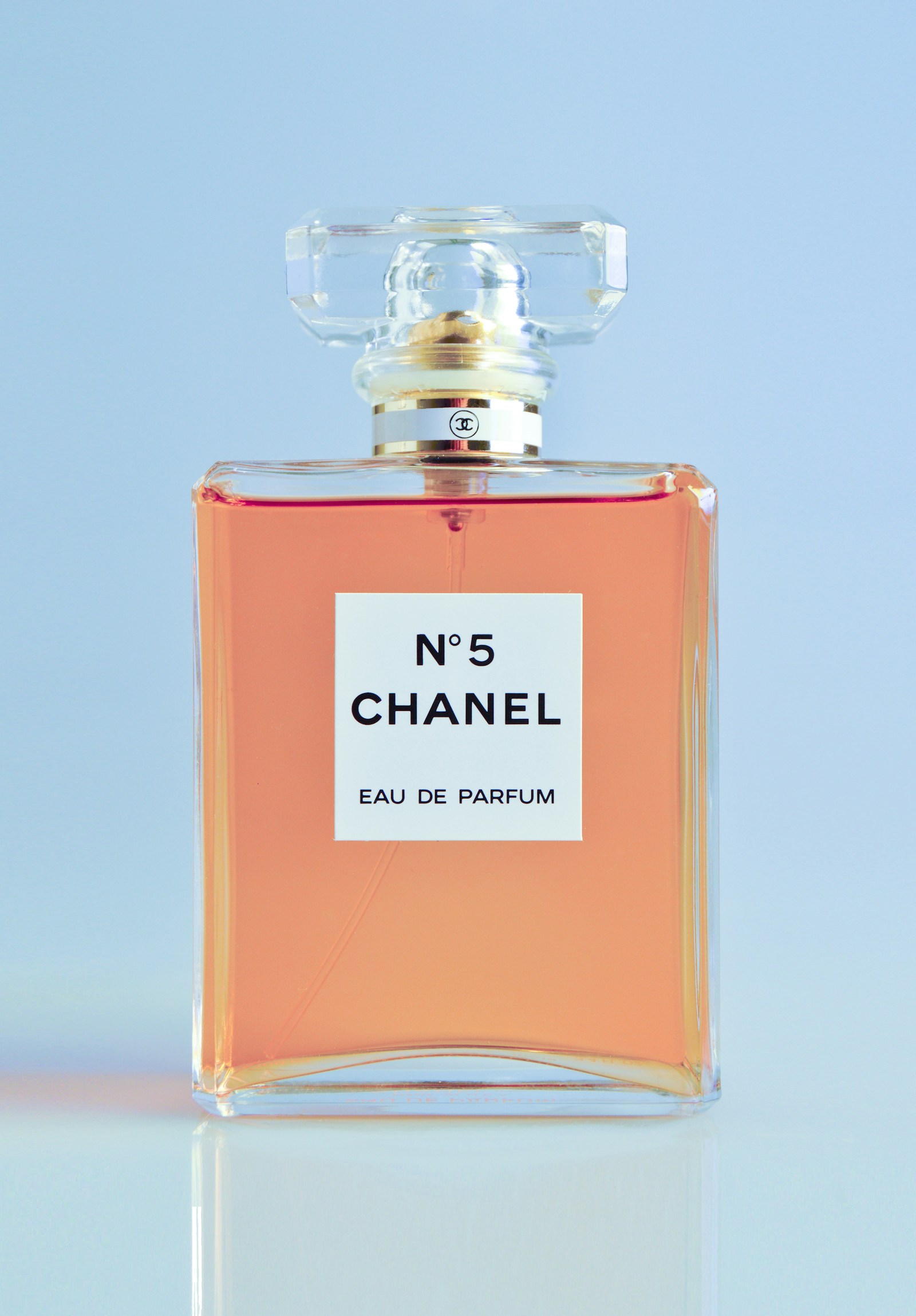
Pentylene glycol is a hurdle. The challenge test is the proof.
Water-bearing emulsions still need a system after phenoxyethanol leaves the INCI. Glycols and organic acids hold a count only inside a pH window, and only when ISO 11930 says so.

A clean label still has to survive fingers in the mouth of a jar. Image credit: Unsplash. Unsplash commercial licence.
Every emulsion with free water is a culture medium once water activity, pH and temperature allow organisms to grow. Clean beauty turned that fact into a label and struck phenoxyethanol, parabens or formaldehyde releasers from the formulas. Deletion is a gesture. What remains has to hold the count across the use life, including fingers in the mouth of a jar. Pentylene glycol, caprylyl glycol, ethylhexylglycerin and organic acids can carry part of that job. They do it inside a pH window, at a dose, and only when ISO 11930 shows it for that formula. At industry practice the word clean is easier to print than the criterion the formula passed. The criterion is the thing that keeps a cream from turning in a warm bathroom.
What the challenge test actually asks
ISO 11930 describes the evaluation of antimicrobial protection of a cosmetic product. The inoculum is a set of bacteria and fungi, commonly Pseudomonas aeruginosa, Staphylococcus aureus, Escherichia coli, Candida albicans and Aspergillus brasiliensis. Counts run across a window from days out to four weeks. Criterion A is the stricter path. Criterion B is a conditional pass and requires, in the safety report, a reason why packaging, use and risk still hold. A pass that lives only in a slide deck has not met the standard.
A test on the laboratory batch is a test on the laboratory batch. The filled retail jar after eight weeks of warm storage is another object. Preservative can adsorb to the pack, complex with surfactants, or fade as the emulsion’s pH drifts. A house that passes only the fresh sample, and skips the stability sample, knows the launch. Month six stays a rumour until the counts are repeated.
ISO 29621 marks out products of low microbiological risk: very low water activity, extreme pH, sufficiently high alcohol, anhydrous systems under defined conditions. A classical oil-in-water cream does not fall in there. An anhydrous oil bath can, as long as use does not drag water in. The jar in the bathroom is exactly that introduction of water. The standard does not rescue an open pot and wet fingers. Anyone who has watched a client double-dip a spatula already knows the plot.
Glycols are hurdles, and they have a dose
Pentylene glycol, chemically 1,2-pentanediol, is a humectant and, in formulation terms, a booster. It contributes to lower water activity and disturbs membranes when the concentration is high enough. In many systems the use levels sit in the range of a few percent, often together with further glycols. As the sole protection in a neutral, water-rich emulsion at 1 percent, it is a wish with a pleasant INCI. The design is the ensemble, plus the test.
Caprylyl glycol and ethylhexylglycerin work on the same logic, frequently as boosters beside a classically listed preservative. Strike the listed substance, keep the booster, and the hurdle has changed. The formula is tested again. The booster often does not appear in Annex V, because it is notified under another primary function. The antimicrobial effect remains an effect. A claim of preservative-free is then measured against the regulation on common criteria for cosmetic claims. If the substance is what carries microbial stability, free is a misleading word in a pretty typeface.
Phenoxyethanol remains permitted in the EU under Annex V, with a maximum of 1 percent. Clean, here, is a brand decision. Replacing phenoxyethanol means replacing a broad, pH-robust molecule with an ensemble that has to be run more tightly. That ensemble can be more pleasant on the skin and lighter in odour. The test answers whether the count holds. Skin feel answers a different question, and both belong in the file before the carton is printed.
A glycol on the INCI is a humectant with a side job. Criterion A, or a reasoned criterion B, belongs in the safety report before the word clean goes to print.
Acids work while the pH lets them
Benzoic acid and sorbic acid, used as sodium benzoate and potassium sorbate, are Annex V substances with their own maxima. The active fraction is the undissociated acid. That fraction collapses as the pH rises. Sorbate loses force markedly above about 4.5. Benzoate loses it above about 5.5. A cream set to pH 6.2 for sensory reasons keeps the INCI line and loses the effect. The label still looks virtuous. The counts do not.
Many systems sold as natural fail at that pH conflict with skin tolerance and with other actives. The raw material was never missing. An acidic fluid tolerates sorbate better than a rich cream near pH 6. Combinations of glycols, acids and sometimes a classical substance are the usual path. A single plant with a preserving reputation is a story. A plant extract with a laboratory minimum inhibitory concentration against one organism is a screen. The real emulsion, the real pack and a real inoculum are the test.
Manufacturing hygiene under ISO 22716 decides with the formula. A perfect system does not recover a batch that left the kettle with a high starting count. Water quality, cleaning of the filling line, open holding times and the people on the jar line belong in the same conversation as pentylene glycol. The challenge test checks protection against introduction during use. A dirty process stays a dirty process, however elegant the glycol reads on the back of the bottle.
Pack, claim, and the jar that keeps winning
The jar is the hardest case: a wide opening, fingers, heat in the bathroom. A pump and an airless system lower the introduction. The same formula can meet criterion A in airless and fail in a jar, or pass in the jar only at a higher glycol dose that then feels sticky and tips the sensory profile. A line offered in three packs is three exposures, unless the water-rich formula is limited to the tightest pack. Stickiness is data. It tells you the dose that bought the pass may have spent the feel.
Periods after opening are part of the system. A symbol of 6 or 12 months is credible only when the test and the stability match it. Refilling from a large salon canister into the open jar puts the test out of force. Cabin goods need a dosing logic that does not run over the rim of yesterday’s jar. At industry practice the backbar canister and the retail jar are often sold as one system. Microbiologically they are two exposures, and the looser one sets the release.
The claim can stay narrow and still be true. An Annex V substance appears in the INCI. Protection that runs through other substances drops the words preservative-free while those substances are required for exactly that job. Unperfumed, without phenoxyethanol, without parabens: those are narrower sentences, and they can be evidenced. They sell less easily than clean. They survive a question from the authority with the file still open on the table. The next stand will print clean in a larger size than the ISO number. The formula that leaves with criterion A, a measured pH and a named pack already knows which glycol was a hurdle and which one was a wish.