Cold plasma in the cabin: bioburden, ozone, and the poster you do not adopt
Cold atmospheric plasma lowers surface bioburden and can settle a wound edge. Rosacea, acne and inflammation as a disease stay outside the advertising.

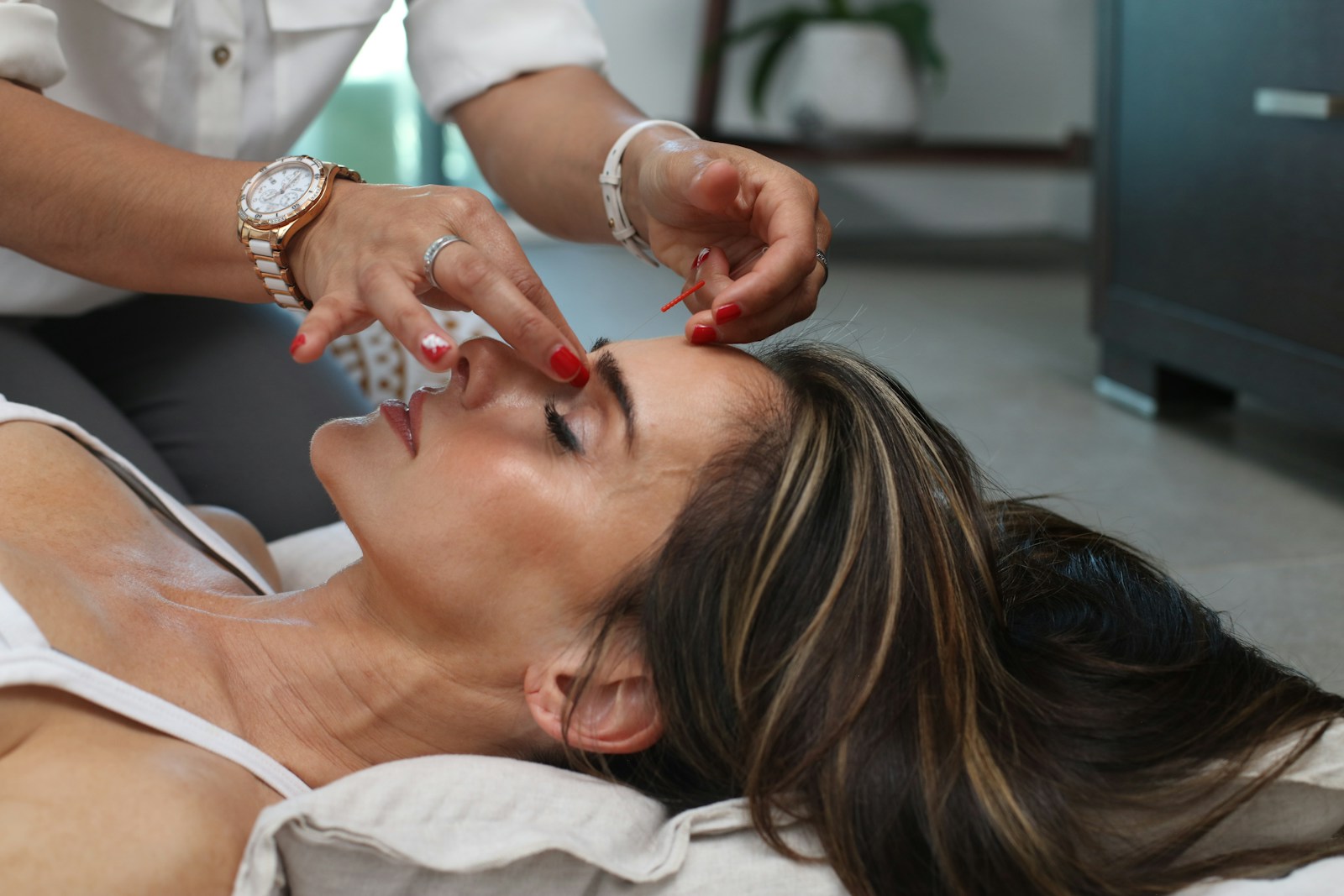
A technical handpiece in clinical light, the sort of device that needs a gas, a distance and a time. Image credit: Unsplash. Unsplash commercial licence.
Cold atmospheric plasma is a gas in which some of the atoms are ionised, and the gas itself stays near room temperature if you respect it. Air or argon is excited between electrodes. Reactive oxygen and nitrogen species form, a small UV component, electric fields, and sometimes measurable ozone. Tissue temperature stays close to the room when distance and time are right. That is why it is called cold. Harmless is a different word, and it does not follow. The effect sits in the chemistry the plasma lays onto a surface and into the uppermost layers, briefly, while the handpiece moves.
Wound-care literature exists for that chemistry, and it is more specific than the posters. Bioburden on surfaces and on wound edges falls. Some papers describe support for wound closure under defined conditions. In professional retail at the Kosmetikfachhandel in Munich this slides, almost casually, into a claim against rosacea, against acne, against inflammation as a mood. That transfer is where advertising leaves the physics. A clinic can talk about bioburden and about care after a permitted procedure, inside an intended purpose. An inflammatory dermatosis is a disease. Announcing that you treat it is a sentence with regulators attached.
What the species do while the handpiece is on
The antimicrobial effect of cold plasma is well shown in vitro, including against bacteria in biofilms when dose and gas are right. On skin that means a lower bioburden at the treated spot. A face is not sterilised. A microbiome is not reset for the season. The species are short-lived. They act while the handpiece is moving, and they act at a depth that depends on the device, the gap and how wet the surface is. A moist wound edge takes the chemistry differently from an oily forehead, which is why one setting for every face is a story the gas does not believe.
Wound edges are the most honest use the literature supports. Plasma can press microbial load there and reduce the local irritation that load produces. That is support for wound conditions, spoken carefully. A chronic wound healing because a cabin passed a handpiece over it is a different claim, and a medical wound is a different room. The limit is practical enough to post on the wall. Cosmetically needled skin, a superficial peel with small erosions, a calming care step: only if this specific device has an intended purpose that says exactly that. An open leg ulcer belongs somewhere with a wound protocol and a physician who owns it.
Ozone and nitrogen oxides are the price of air plasmas, paid in the air you share with the client. In a closed cabin without air exchange you smell them, and occupational limits are part of purchasing, filed with the invoice. Argon plasmas shift the mix of species and consume gas as a supply you have to reorder. Buying the device means buying the exhaust question with it. In an open aisle In trade buying you smell none of this. In an eight-square-metre cabin by mid-afternoon you do, and so does the person in the next appointment.
Rosacea stays a disease, even when the light is flattering
Rosacea is a chronic inflammatory skin disease with vascular and inflammatory parts. Diagnosis and therapy sit with dermatology, in a room that can follow the client past a single season. A number of clinical papers look at cold plasma as an add-on and report less redness in a share of participants, over short periods, on defined devices. That file does not become a pass for a cosmetic clinic. The moment advertising says plasma treats, cures or relieves rosacea, care has become a therapeutic claim for a disease. Regulatory challenge and professional rules are the ordinary weather of this lane.
Cold plasma can lower bioburden and settle a wound edge. Rosacea remains a disease, and dermatological therapy remains the place that disease is treated.
What stays allowed is language about appearance that the device’s intended purpose actually carries, printed, and a refusal when skin is strongly flushed, burning or covered in papules. The clinic names the redness as a colour it can see. Diagnosis stays unspoken. Referral happens when the client suspects a disease or when the reaction leaves the cosmetic window. Plasma on an active, hot flush stacks the chemistry of reactive species on top of a face that is already loud. A second pass at a higher level is often more irritation with a braver operator. Parameters down, or no treatment, is the professional answer. It photographs poorly. It ages well.
Acne sits in a similar uncomfortable place, and the in vitro data do not rescue it. A drop in Cutibacterium in a dish is a dish result. Running plasma over inflamed nodules, instead of leaving them alone and pointing toward medical care, mixes a device with a disease and calls the mixture a protocol. Cosmetic plasma use, where it is permitted, stays on the surface and inside the intended purpose. A lesion count after a set number of sessions is a clinical endpoint. A cabin that promises it has borrowed a trial design without borrowing the ethics.
- Cold atmospheric plasma generates reactive oxygen and nitrogen species near room temperature, when distance and time hold.
- The antimicrobial effect depends on dose and gas. A face is not a surface you sterilise between clients with a glow.
- Ozone and nitrogen oxides from air plasma need air exchange. The demo corridor smells like nothing, and the cabin will not.
- Rosacea is a disease. Advertising that promises cure or relief leaves cosmetics and enters a claim you will have to defend.
- A wound edge or a cosmetic surface is a use only when the intended purpose places this device there, in writing.
Distance, time, gas: the protocol that fits on a card
A serious device names the gas, the distance, the time per area and the electrical power. A note that says level three until it feels warm is a mood. Cold plasma is supposed to stay cold. If the skin warms, distance or time is wrong, or the device is a heat gadget with a fashionable name and a purple light. Buyers at industry practice should hold the handpiece to their own forearm at the distance the maker states, and time it with a phone that is not also taking the photograph. A sales conversation that will not name distance and time is over. You can smile and keep walking.
The intended purpose sits printed beside the unit. A training video is education, and it is a weak legal object. If the page says cosmetic use to improve the appearance of skin, the menu stays inside that sentence, including on Instagram, where sentences tend to grow. If it says a medical wound device, it stays with the operators it was built for. A relabelled medical device in a cosmetic cabin is use outside the purpose. Liability follows the purpose. The discount is a detail the insurer will find unmoving.
Contraindications that serious makers list are part of the device, as physical as the cable. Pacemakers and electronic implants appear on many electrical devices, and they are reasons to decline, said kindly. Pregnancy is often excluded out of caution, even without a dramatic data point, because a cabin is a poor place for needless exposure. Active skin disease, known photosensitisation, metal implants in the treatment area: the list applies. A neighbour who tolerated it fine is an anecdote. Anecdotes do not replace the instructions for use, however warm the neighbour was.
After the purchase, the poster stays In trade buying
Back at the clinic the text is short enough to read while the device warms, if it warms at all, which it should not. Cold plasma for the appearance of skin inside the intended purpose. Time and distance as in the protocol. Inflammatory disease stays off the card. Stop if stinging goes beyond a brief tingle. Bioburden is kept out of the client promise, because the clinic does not measure it between appointments. Anyone who wants to measure it is in a study, with a protocol and a consent form, which is a different afternoon from a forty-minute slot.
The physics is interesting enough on its own: ionised gas, short-lived species, fewer microbes on a surface, a possible effect at a wound edge. The moment rosacea, acne or a promise to settle inflammation as a disease lands on the poster, that interest has turned into a risk with a typeface. Suppliers will print the posters anyway. The cabin can leave them with the supplier, under the display lighting, where they belong. A device that can lower bioburden stays a device that can lower bioburden. The sentence is short. It is the one that still makes sense when the smell of ozone arrives at four o’clock.