Microneedling, properly: stamp, pen, RF, and the hygiene that decides the scar
Mechanical channels and radiofrequency heat are different injuries. Depth, joules, scar shape and a sterile unit dose separate a result from an infection.
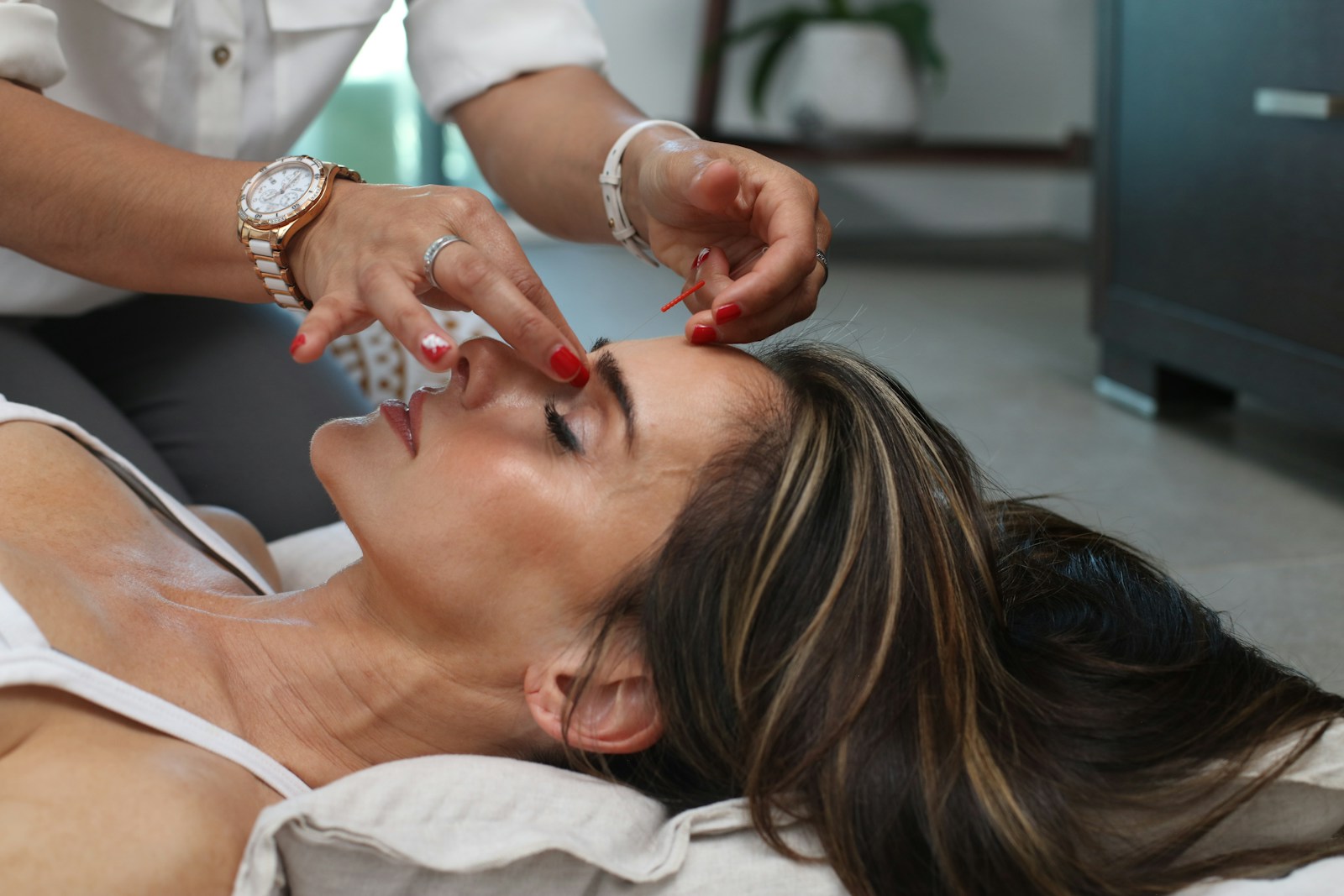
Precision instruments laid out before a treatment, the part of needling that should look boring. Image credit: Unsplash. Unsplash commercial licence.
Microneedling is a family of injuries, and families should not share a single name on a menu if the injuries differ. A stamp or a roller sets mechanical channels. A pen sets the same channels at a controlled rate with a replaceable head. Radiofrequency needling sends current through the needles, or from their tips, into the dermis and leaves heat there. Listing all three as one treatment mixes mechanics with coagulation. In professional retail at the Kosmetikfachhandel in Munich they often stand in the same aisle, under the same lighting, with the same hostess. In the cabin they must leave that aisle behind. One sentence for all three is how complications get misfiled.
The aim in aesthetic use is a controlled wound that skin can answer with new collagen, over months, without drama. The risk is an uncontrolled wound: too deep, too dense, unsterile, on inflamed skin, on a scar pattern that does not answer that energy. Hygiene and protocol separate the one from the other. The word medical on the door is paint. It does not reprocess a needle.
Stamp, pen, and the millimetre you can defend
Classic needling uses needle lengths that in cosmetic practice often sit between 0.25 and 1.0 millimetres. Shorter needles stay closer to the epidermis and are discussed for product uptake and superficial texture. Longer needles reach the dermis and belong in a setting with the matching qualification, consent and aftercare, written down before anyone is brave. A stamp presses a fixed field. Depth depends on hand pressure, which is a variable no dial will confess. A pen sets depth on the dial and still depends on contact and on how fast the operator moves. Both produce pinpoint bleeding once the papillary dermis is reached. Blood is a sign of depth. It is a hygiene event. It is a weak trophy.
Scars after inflammatory acne refuse to behave as one thing, which is why one protocol for all of them disappoints on a schedule. Ice-pick scars are narrow and deep. Boxcar scars have steeper edges. Rolling scars are wavy because fibrous bands pull the surface down. Mechanical needling changes these patterns differently, and it changes them slowly, over months, in series. One session before an event is a calendar error with an invoice. A clinic that guarantees a different scar after one visit is selling something wound healing has declined to sign.
Skin colour belongs in the plan as risk, kept out of personality. Darker skin types more readily form post-inflammatory hyperpigmentation after a deep injury. The protocol answers with less depth, longer gaps, strict photoprotection and a refusal when pigment is already unsteady. That is risk control. The person in the chair is still a person, and the chart should sound like one.
RF is heat, and heat has a number
In radiofrequency needling, energy runs through insulated or non-insulated needles. Insulated needles are meant to spare the epidermis thermally and drop the heat in the dermis. Non-insulated needles heat along their length, which is a different burn profile with a similar handpiece. The parameters that carry the result are depth, pulse duration, energy in joules and the density of the points. Two devices with the same marketing word are often far apart on those numbers, sometimes comically so once you read the sheet. A phrase like the clinic down the road is gossip. A protocol names the device, the depth in millimetres and the energy.
Mechanical needling sets channels. RF needling sets channels and then heats them. If you cannot name the joules, you cannot repeat the afternoon, and you cannot answer for it.
Heat means collagen coagulation and a different downtime, the kind clients remember in photographs they did not plan to take. Swelling the next day is more common. Too much energy on skin that is too thin, over bony points, on the eyelid, can change fat and texture in ways no cream retrieves. RF systems therefore belong in training on the actual device, with zones that are spared and a stop when the skin leaves the redness you expected. Twenty minutes on a dummy In trade buying is a souvenir. It does not replace the afternoon you will have to explain.
Acne scars stay plural under RF as well. The device can tighten dermis in some scar shapes and barely reach the floor of a very narrow ice-pick. Combination plans with a superficial acid pass or with subcision sit, where they are medical, outside the cosmetic cabin. An honest menu says which scar shape, in experience, answers poorly. That information cuts disappointment. A before-and-after taken in different light is how disappointment gets postponed until the client is home.
- Stamps and rollers depend on pressure. A pen controls depth better, and it still depends on the hand that holds it.
- Pinpoint bleeding marks dermal depth. It is a hygiene event with poor manners as a quality mark.
- Ice-pick, boxcar and rolling scars answer on different clocks. One session is a visit. A correction is a series.
- RF needling adds heat. Insulated needles, joules, pulse duration and exclusion zones belong in the protocol, written, not remembered.
- Darker skin needs less aggression and photoprotection, because post-inflammatory pigment is the more likely souvenir.
Hygiene, or the protocol is theatre
Once blood or tissue fluid appears, the rules come from instrument reprocessing. The cosmetic vitrine has left the conversation. Heads and needles are single use. A roller described as cleaned, pulled from a drawer, is a carrier with a memory. Gloves change. Surfaces that met blood are disinfected. Linen is handled as linen that met blood, which means it is not shaken out for the photograph. Sterile serums, if anything goes into the fresh channels at all, come from a unit dose the maker has released for non-intact skin. Open hyaluronic jars, a spatula from the drawer and exosome vials without a sterility record are the infection bridges trainings still pass off as a care tip. They are the tip that shows up later as a phone call.
The operator stays off active inflammatory lesions. Needling an inflamed nodule pushes bacteria down the channels, which is a sentence you can explain without a lecture. The clinic recognises open, purulent or strongly inflamed spots and leaves them out. Diagnosis of acne stays with medicine. A history of herpes, reported by the client, is a reason to postpone and to point her toward a medical opinion. The clinic does not start antiviral therapy and does not promise it. Needling can reactivate herpes. That belongs in the consent talk, said early, while declining is still easy.
Aftercare is part of hygiene, and it is the part clients lose between the door and the car. No makeup for 24 hours. No exercise that drives sweat into open channels. No unclean water. No acids. Photoprotection once the skin is closed enough to tolerate it. The client gets this in writing, on paper she can find in a bag. Spoken tips at the door evaporate. Lost aftercare is the most common reason a formally correct protocol looks, from the outside, like harm done by a steady hand.
What you buy, and what you leave on the carpet
In professional retail people grab the handpiece before they ask for the parameters, because the handpiece is the object that feels like a decision. Reverse the order and the aisle gets quieter. Which needle is insulated? Which depths are actually calibrated, and how is calibration done? Are there single-use tips with lot marking? What energy does the power supply really deliver, as opposed to level one to ten on a screen someone designed to feel intuitive? A device without service and without a parameter sheet is an expensive substitute for a stamp. Stamps are honest about being stamps.
The menu back at the clinic then needs three lines, kept short enough to read under bad light. Mechanical needling: depth, texture as the aim. RF needling: device, depth, energy, scar or tightening as the aim, with the limit on scar shape said in the same breath. Hygiene as its own sentence: single-use needle, sterile product or none, written aftercare. A clinic that cannot fill those lines is offering a device that makes holes. Any technique can make holes. The professional part starts at which holes, at what energy, and what you refuse to put inside them before the client has even lain down.