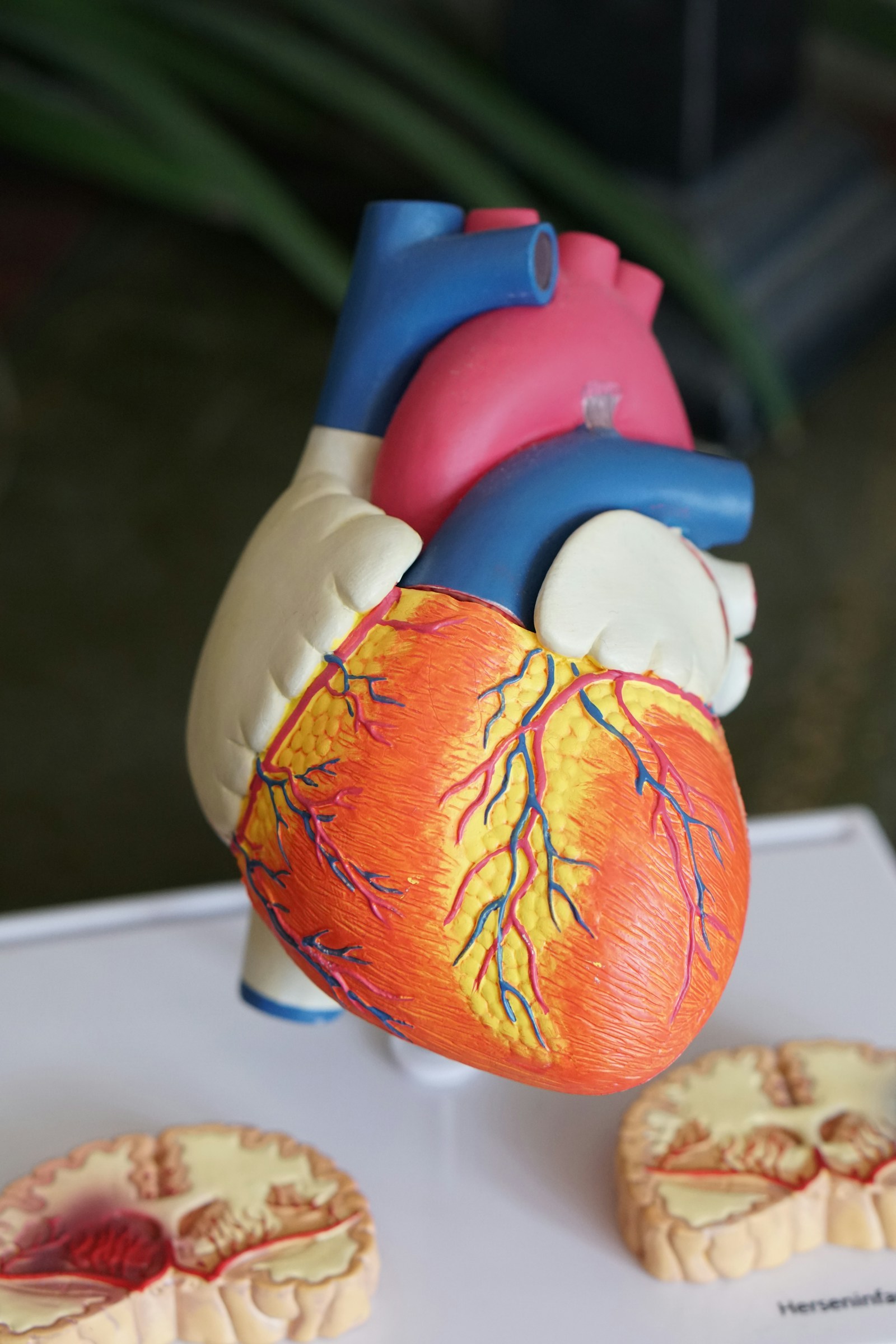
The cell that stopped dividing and kept the lights on
Senescent fibroblasts stay metabolically busy and release SASP. Fisetin and quercetin remain bench signals until dose, vehicle and pH are real.
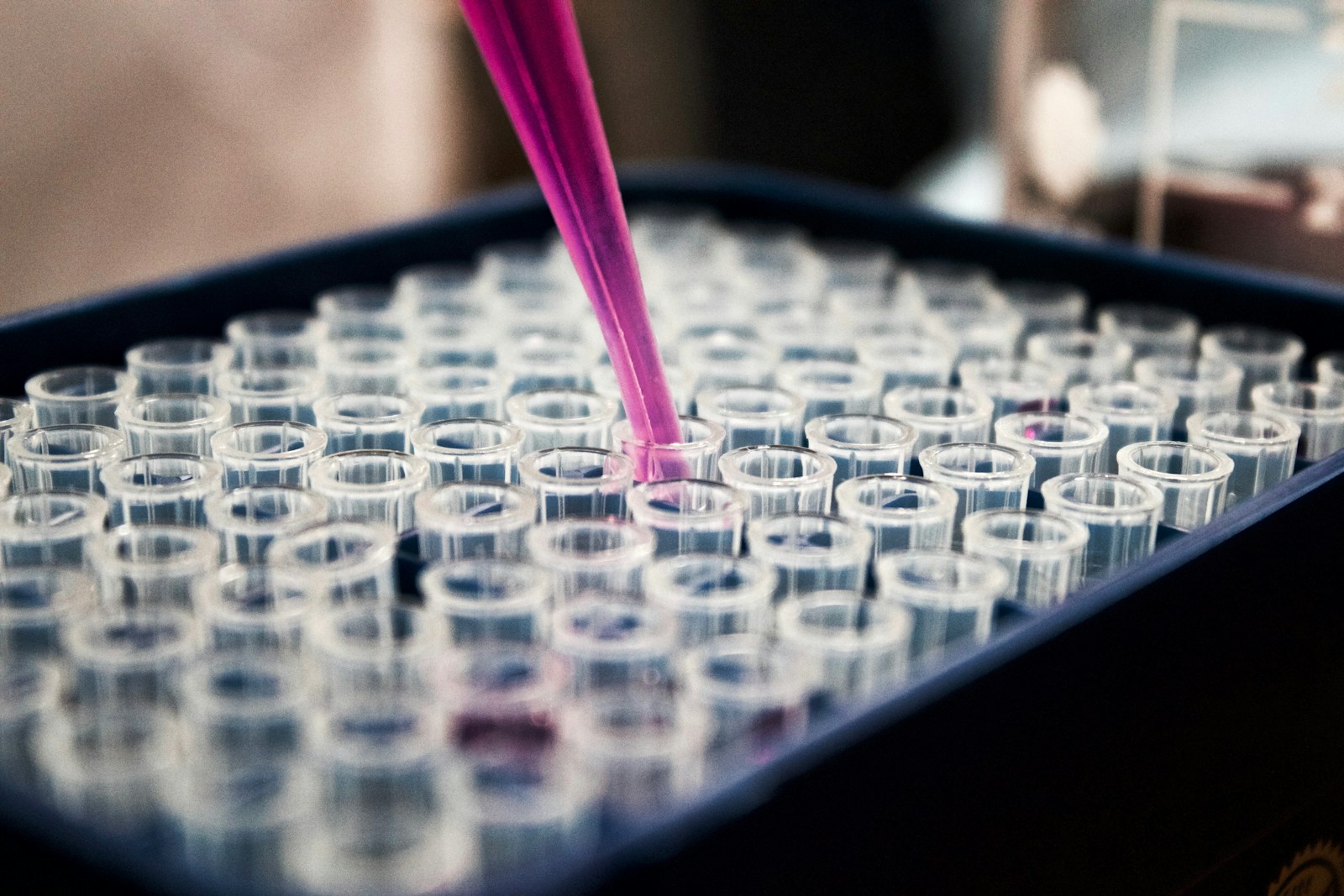
Fluorescence on a cell-biology bench, where a fibroblast can look quiet and still be expensive. Image credit: Unsplash. Unsplash commercial licence.
The fibroblast has left the cycle. It has not left the bill. Under the lamp it still spends ATP, still ships proteases into the neighbourhood, still holds the door with p16INK4a and p21. That is cellular senescence, and it is why the shelf word anti-aging has gone soft. Polymer fill can change how light sits on a cheek. The cell underneath keeps its secretory programme for months.
On the Kosmetikfachhandel floor in Munich, formulation buying still prints the old word on acrylic. The useful talk has moved two steps left, toward buyers who run treatment rooms. They need the contents of a senescent dermal fibroblast, the bench molecules now poured into serums, and a clear sense of the distance between a jar and a cell sitting under an intact epidermis. Longevity on a menu is a claim about cell behaviour. It has to survive that distance, or it is décor with a better typeface.
The arrest that stays talkative
Senescence is a stress reply. Telomere erosion, ultraviolet damage, oxidative load and repeated inflammatory signalling can push a fibroblast into a durable arrest. The cell stays alive. Protein synthesis continues. Mitochondria keep working, often less cleanly. What changes is the output: more matrix metalloproteinases, less orderly collagen, a drift toward inflammatory cytokines that papers keep returning to, among them IL-6 and IL-8, plus shifts in TGF-beta signalling.
In a treatment room you meet the surface of that story. Recovery after a peel or a needling session stretches. Skin looks thinner even when hydration is decent. Pigment becomes less predictable from month to month. None of that is a diagnosis you can make from a magnifying lamp. There is no cabin assay for p16. Occlusion lowers water loss. A filling polymer leaves the arrest where it found it.
Two research strategies sit side by side and get blurred on packaging. Senolytics are studied as a way to clear senescent cells so neighbours can repopulate the space. Senomorphics leave the cell in place and try to quiet its secretion. Both exist in cell culture and in animal work. In a cosmetic clinic both stay legitimate only inside the cosmetic frame: how skin looks, and how the barrier feels. The moment the menu says the treatment removes diseased cells, the sentence has left the room you are licensed to occupy.
SASP is a neighbourhood habit
SASP, the senescence-associated secretory phenotype, is the mixture those cells release: cytokines, chemokines, proteases, growth factors. The practical sting is bystander spread. A senescent cell can nudge adjacent cells toward the same arrest. A UV hit that looked local on day one can still be writing the dermis weeks later through that secretion.
SASP is a secretory habit. After the cell stops dividing, it keeps instructing the cells around it.
That reframes aggressive calendars. Weekly deep peels, uncontrolled needling and endless retinoid escalation manufacture the stress that feeds arrest and secretion. A longevity menu that reopens the barrier every seven days argues with its own headline. Spacing, erythema notes and stop-rules are the clinical content. They are the treatment, written in time.
If an supplier uses SASP as a label, ask which signals were measured and in which model. Keratinocyte monolayer, fibroblast culture, reconstructed skin, ex vivo biopsy: these are different claims. An INCI list plus the word senescence is typography. A serious supplier can show concentration, vehicle and a model that matches the sentence on the card. If they cannot, the word is atmosphere.
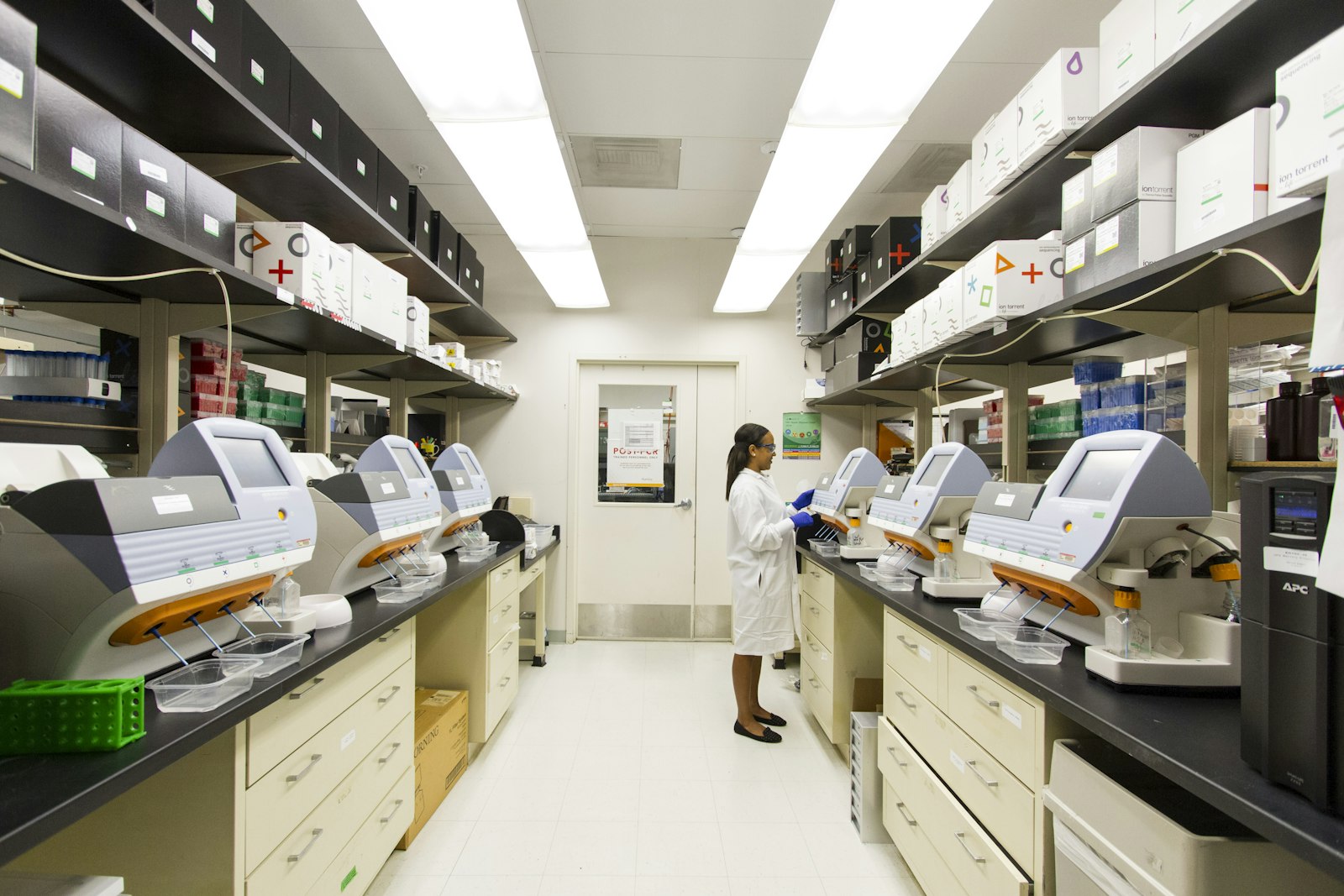
Fisetin, quercetin, and the dose that stays in the jar
Fisetin, a flavonol found in strawberries and other plants, and quercetin, common in onions, capers and countless extracts, are the names buyers now hear attached to senolysis. Read the papers before you reprint the claim. Quercetin often appears beside dasatinib. Dasatinib is a drug. It does not belong in a facial, and no serum should wink at that pair. Fisetin is studied more often as a single agent, orally or in culture, at exposures a cream will not reproduce.
Both molecules are poorly water soluble, oxidation-prone and far from a dermal fibroblast when they are dissolved, barely, in a water phase. A liposome or another carrier changes the odds. It leaves distance, metabolism in the stratum corneum, and the gap between a micromolar dish and a finished emulsion. In trade buying the buying question is analytical. How much fisetin is in the batch, measured, rather than inferred from a raw-material sheet? What pH keeps the polyphenol intact at month six? Is there penetration work on human skin or a validated model, and at what hour?
- Fisetin and quercetin carry senolytic signals from cell and animal work. Salon trials with wrinkle scores are a different file.
- Dasatinib plus quercetin is a pharmacology protocol. A cosmetic pairing would be a category error.
- Without solubility, a pH window and a real vehicle, a polyphenol stays short of a dermal fibroblast in any meaningful amount.
- Senomorphics aim at the secretome. Senolytics aim at clearing the cell. Label language that merges the two misnames the mechanism.
- p16INK4a cannot be read in a treatment room. Redness is a colour, and a poor stand-in for an arrest marker.
Trace quercetin inside a plant extract does not license a sentence about clearing senescent cells. Honest menu language talks about antioxidant support, about an experimental longevity adjunct, about a limit you can say aloud. Clients who arrive already taking high-dose oral flavonoids need a short note in the chart: what they take, what they expect, what the room will leave unpromised. The clinic records. Prescribing sits elsewhere.
What the card can still carry
A defensible offer, in formulation buying and back in the room, has four layers that refuse to substitute for one another. Keep the injury dose low: photoprotection, honest gaps between devices, no permanent barrier trauma. Keep daily care from feeding inflammatory signalling, which in practice means stable niacinamide levels and a lipid matrix that replaces what the barrier loses. If a flavonoid is on the menu, demand a formula with measured stability. A watery extract with a story is a scent. And keep the language inside what a cosmetic room can know on a Tuesday afternoon.
Twenty minutes with a supplier is enough to test this. Ask for the batch assay, the declared concentration and the study whose model matches the sentence. A fibroblast dish dosed with fisetin at a level no emulsion will deliver does not carry a senolytic facial. Neither does a before-and-after shot with no light standard and no list of what else happened that month: needling, peel, retinoid, a week of sun.
In the room the translation is plain. Intervals get longer when skin fails to close. Flavonoid serums go on intact skin, or only into a vehicle the maker has actually released for use with a device. They stay out of open tissue after deep needling unless sterility and status say otherwise. The card describes care. Nobody in a cosmetic clinic can show, today, that a senescent cell was removed. The fluorescence on the bench already knew that. The price list is catching up.